Sound Healing in Ubud: My Honest Guide to Bali's Best Sound Baths
My honest 2026 guide to sound healing in Ubud — what a sound bath really feels like, the best venues from Pyramids of Chi to the Yoga Barn, and what it costs.
The first time I lay down for a sound bath in Ubud, I was quietly sceptical. I’d booked it half as research, half because a friend insisted, and I remember thinking a room full of gongs sounded more like a headache than a holiday. Then the first low note rolled through the floor and into my chest, and something in my shoulders let go that I hadn’t realised was clenched. Ninety minutes later I walked out into the Ubud heat feeling scrubbed clean from the inside. That was the morning I stopped rolling my eyes at sound healing in Ubud.
It has quietly become one of the island’s signature wellness experiences, sitting alongside yoga and Balinese massage on almost every retreat menu. But the offerings range from world-famous purpose-built pyramids to a Tuesday-night gong bath in a garden studio, and the prices and quality vary just as much. This is the honest guide I wish I’d had: what a sound bath actually is, whether there’s anything to it, where to go, what it costs in 2026, and how to get the most from your session.
What is sound healing, and does it actually work?
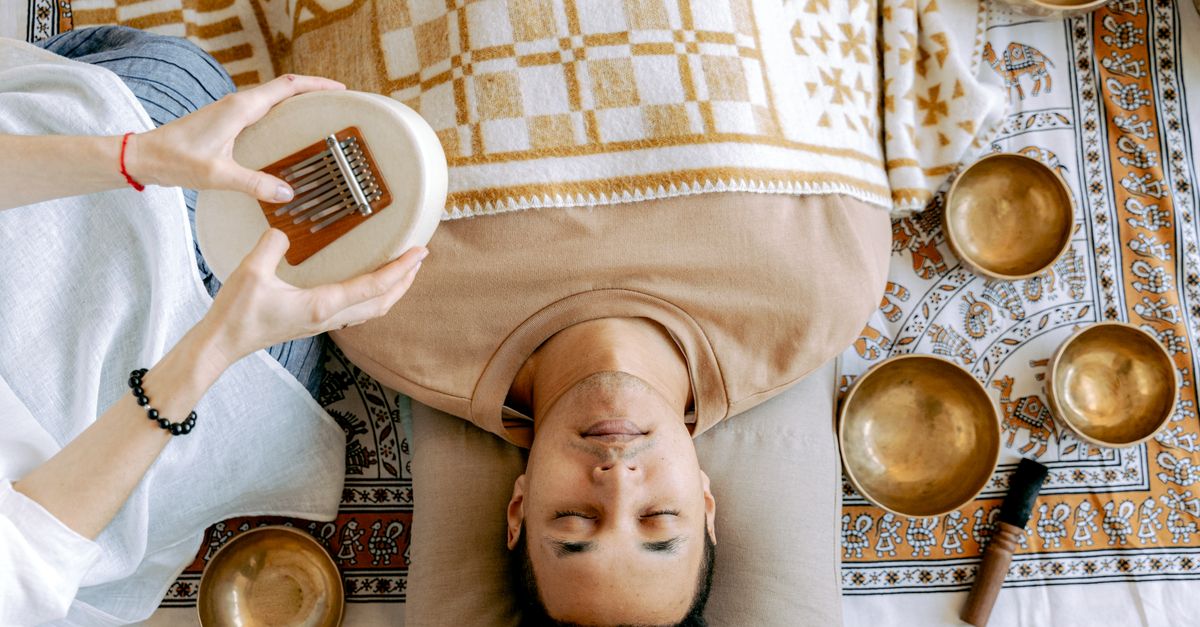
Sound healing is a meditative practice where you lie down and let the vibrations of instruments like gongs, Himalayan singing bowls and tuning forks wash over you, with the aim of quieting the mind and settling the nervous system. That’s the one-sentence version. A session — often called a sound bath — usually lasts 60 to 90 minutes, and you spend nearly all of it horizontal, wrapped in a blanket, doing absolutely nothing but listening.
Now for the honest bit. Does it “work”? It depends what you want from it. The bolder claims you’ll see on some Ubud flyers — that specific frequencies detox your organs or realign your chakras — run well ahead of the science, and I’d take them with a pinch of salt. What there is decent evidence for is more modest and, to me, more interesting: lying still inside resonant sound reliably nudges you into a parasympathetic, rest-and-digest state, which is why so many people (me included) drift into that floaty half-sleep and come out calmer than they went in. Think of it as a very effective, slightly mystical form of guided relaxation rather than medicine. Bali has always taken the healing arts seriously — the island’s water-purification rituals are a living tradition, as I wrote in my guide to Balinese healing traditions and melukat — and sound simply slots into that lineage.
What a sound bath in Ubud actually feels like
If you’ve never done one, here’s the honest run-through, because the mystique can be off-putting. You arrive, kick off your shoes, and settle onto a mat with a bolster under your knees and a blanket over you — sessions are often in air-conditioned rooms or open garden pavilions, so a layer is welcome. The facilitator usually opens with a few slow breaths or a short intention, then the sound begins.
And it builds. A single gong might start almost inaudibly, then swell until you feel it in your ribs. Crystal bowls add a bright, glassy shimmer; a didgeridoo drones underneath; sometimes there’s soft chanting or the hiss of a rain stick. There’s no rhythm to follow and nothing to “do” — that’s the point. Some people cry, some fall asleep and snore (nobody minds), and some, like me the first time, spend ten minutes fidgeting before the body finally surrenders. The odd sensation of vibration actually moving through you is what sets it apart from just listening to calming music on headphones. My tip: don’t chase a mystical experience. Go in tired, let your mind wander, and judge it by how you feel walking out.
Pyramids of Chi: Ubud’s flagship sound healing experience
If you only do one sound session on the island, most people point you here — and for once the hype is earned. The Pyramids of Chi sit among the rice fields just north of Ubud, near Petulu, roughly ten to fifteen minutes from the centre. They’re two enormous pyramids built to the geometric proportions of the Great Pyramid of Giza, and whatever you make of the sacred-geometry theory, the acoustics inside are genuinely extraordinary — sound seems to hang and circle above you.
Their signature Ancient Sound Healing session runs for 90 minutes and costs Rp 350,000 per person (about £17 as of 2026), with sittings roughly every two hours from 9am through to the evening. You lie on a mat beneath the apex while facilitators work through gongs, Himalayan bowls and other resonant instruments. It’s a group experience — often thirty or forty people — which sounds off-putting but somehow adds to the collective hum. In 2026 they’ve also introduced an LSV (Light Sound Vibration) journey that pairs the sound with light therapy, if you fancy something more immersive. Book online a day ahead in high season, arrive early to wander the gardens, and don’t schedule anything demanding straight afterwards — you’ll want to float out, not rush.
The best sound healing sessions in Ubud beyond the Pyramids
The Pyramids are the headline act, but some of my favourite sessions have been smaller and more intimate. The Yoga Barn, Ubud’s sprawling wellness institution, runs sound healing most days as part of its 180-plus weekly classes — a midday Tibetan-bowls meditation is the gentle entry point, while the special evening sound journeys (Inner Alchemy, gong baths and the like) are the deeper dive. A drop-in class is around Rp 130,000, though the ticketed evening events are priced separately, so check the current schedule when you arrive.
Beyond the big names, Ubud is dotted with dedicated sound spaces and boutique studios running weekly gong baths, and plenty of hotels and yoga shalas now fold a sound session into their programmes. My advice is to read recent reviews and, where you can, find out who’s facilitating; a skilled practitioner who reads the room makes an enormous difference, just as a good massage therapist does. If you’d rather build a whole restorative day around it, pairing a morning sound bath with an unhurried afternoon at one of Ubud’s hidden spa retreats is my idea of a perfect reset.
What sound healing in Ubud costs, and how to book
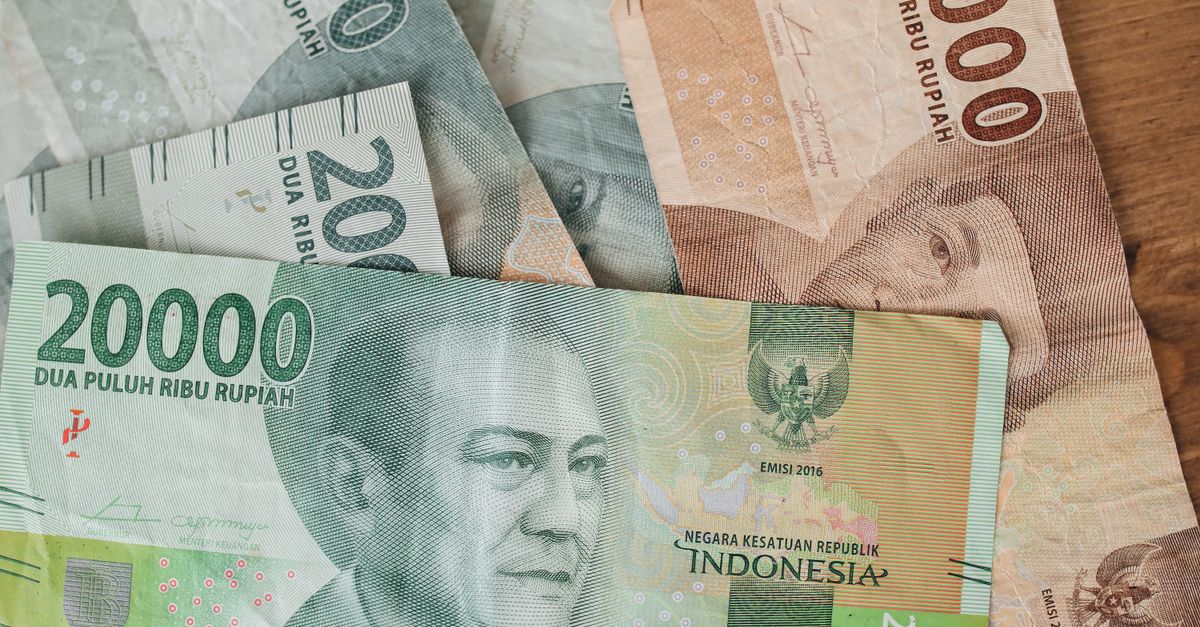
Here’s the reassuring part: this is one of Ubud’s more affordable wellness treats. As a rough 2026 guide, expect to pay around Rp 350,000 (about £17) for the flagship Pyramids of Chi session, from roughly Rp 130,000 for a drop-in sound class at a studio like the Yoga Barn, and up to Rp 500,000 or more for a longer ticketed evening journey or a private one-to-one. Prices creep up each year, so always confirm when you book.
Booking is straightforward. The Pyramids of Chi and the Yoga Barn both take online reservations, which I’d recommend during the busy June-to-September and December stretches when popular slots fill fast. Smaller studios often run on WhatsApp or simple drop-in, so message ahead the day before. One practical note: the Pyramids in particular are a short drive out of the centre, so unless you’re happy on a scooter it’s worth sorting transport — I usually hire a private driver for the day and string a couple of wellness stops together, which works out cheaper than you’d think when split between two. Payment is often cash at the smaller places, so carry rupiah.
How to get the most out of your sound healing session
A few things I’ve learned the hard way. First, timing: go when you’re genuinely tired rather than wired — a late-afternoon or evening session lets you carry the calm straight into sleep, and Ubud turns in early anyway. Second, eat lightly beforehand; lying flat for 90 minutes after a big nasi campur is its own kind of meditation, and not the good kind.
Wear something soft and layered, because you cool down lying still even in Bali, and bring a light scarf for your eyes if you’re sensitive to light. Put your phone on airplane mode and actually leave it in your bag — the whole value is in the disconnection. And go in without expectations. The sessions I’ve “tried hardest” at have been the least satisfying; the ones where I let myself half-doze are the ones I still think about. Finally, treat it as part of a bigger rhythm rather than a one-off. Sound healing pairs beautifully with a regular yoga practice — if you’re staying a while, one of Ubud’s best yoga and wellness retreats will usually weave sound sessions into the week — and with the island’s slower pace generally. Ubud rewards people who arrive with nowhere to be.
The honest verdict on sound healing in Ubud
Here’s my takeaway: sound healing in Ubud is worth trying even if — especially if — you’re a sceptic, because you don’t have to believe in energy frequencies to feel unmistakably better after 90 minutes of doing nothing but listening. Start with the Pyramids of Chi for the spectacle, drop into the Yoga Barn for something gentler, and let the smaller studios surprise you.
If you’re planning your Ubud days around wellness, this slots neatly beside the town’s yoga, spas and healing traditions — it’s one of the few experiences here that costs little and asks nothing of you but stillness. Give it a proper go, ideally more than once, before you decide whether it’s for you. And if you do try a session, I’d love to know which room, which gong, which unexpected moment got under your skin — drop me a line and tell me. Ubud has a way of quietly rearranging people, and sometimes it starts with a single low note.
FAQs
What is sound healing?
Sound healing is a relaxation practice where you lie still and let the vibrations of gongs, singing bowls and other instruments wash over you. The aim is to calm the mind and shift the body into a deep rest state, usually over a 60 to 90-minute session.
Does sound healing actually work?
It depends what you expect. There’s good evidence that lying still in resonant sound helps you relax and drop into a rest-and-digest state, but claims that specific frequencies detox organs or realign chakras aren’t scientifically supported. I’d go for the genuine calm, not the bigger promises.
How much does a sound bath in Ubud cost?
As a 2026 guide, expect around Rp 350,000 (about £17) at the Pyramids of Chi, from roughly Rp 130,000 for a drop-in class at a studio like the Yoga Barn, and up to Rp 500,000 or more for a private or special evening journey. Always confirm current prices when booking.
Where is the best sound healing in Ubud?
The Pyramids of Chi, north of Ubud near Petulu, is the most famous for its extraordinary acoustics. The Yoga Barn is the best-known central option with daily sessions, and there are smaller dedicated sound spaces and studios worth seeking out for a more intimate experience.
How long does a sound healing session last?
Most sessions run 60 to 90 minutes. The flagship Pyramids of Chi Ancient Sound Healing is 90 minutes, while shorter midday meditations at studios can be around an hour.
What should I wear to a sound bath?
Wear something soft, loose and layered. You lie still for a long time and cool down even in Bali’s warmth, so a light jumper or scarf is worth bringing — plus an eye covering if you’re sensitive to light.
Do I need to book sound healing in advance?
For the Pyramids of Chi and the Yoga Barn, yes, especially in the busy June-to-September and December periods — book online a day ahead. Smaller studios often take walk-ins or a quick WhatsApp message the day before.
Is sound healing suitable for beginners?
Completely. There’s nothing to learn or do — you simply lie down and listen. It’s one of the easiest wellness experiences to try in Ubud, and being a total novice makes no difference to how much you get from it.
What happens during a sound bath?
You lie on a mat under a blanket while a facilitator plays gongs, crystal bowls, chimes and other instruments in slow, unstructured waves of sound. There’s no meditation technique to follow; most people drift into a dreamy half-sleep and come out feeling deeply relaxed.
Can you do sound healing while pregnant?
Many people find sound baths lovely and calming during pregnancy, but tell the facilitator so they can seat you comfortably and keep loud gongs away from your belly. In later pregnancy, avoid lying flat on your back for long and check with your midwife or doctor if you have any concerns.
Before you go — I wrote this in 2026 and double-checked every price, fee, opening time and rule I could, but Bali changes fast. Treat the figures here as a guide and confirm the latest details before you book or travel.
Some of the links in this article are affiliate links: if you book through them I may earn a small commission at no extra cost to you. I only ever recommend things I would happily send a friend to.