The Mount Batur Sunrise Trek: A Complete Guide for 2026
Everything I wish I'd known before my first Mount Batur sunrise trek — 2026 prices, the HPPGB guide rule, start times, kit and the honest bits about crowds and cloud.
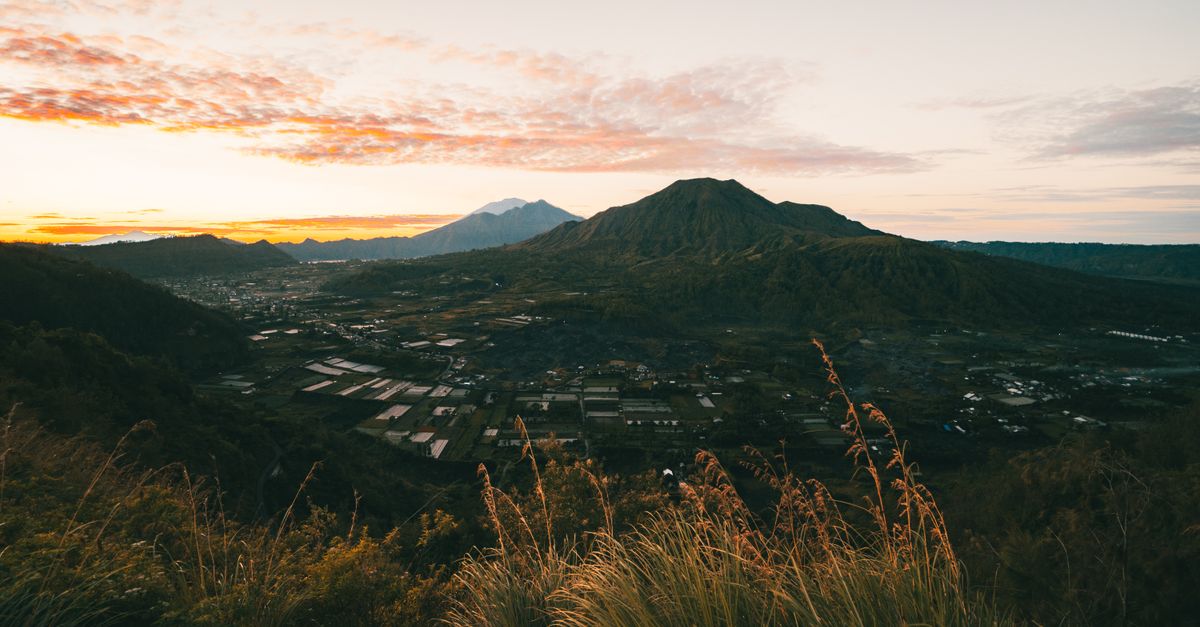
It was 3:40am, pitch black, and a chain of head-torches wobbled up the slope above me like fireflies that had lost their way. I’d been awake since one. My driver had handed me a thermos of sweet Balinese coffee at the trailhead, the air smelled of cold earth and sulphur, and somewhere ahead a guide was laughing about how everyone always says “I’m fit enough” until the loose volcanic gravel starts. That was my first Mount Batur sunrise trek, and despite the ungodly hour, it’s still one of the few Bali mornings I’d happily repeat. This is the active volcano that towers over Kintamani in the island’s north-east, and watching the sun lift over Lake Batur and Mount Abang from 1,717 metres genuinely earns its reputation. But there’s a lot that’s changed for 2026 — the prices, the guide rules, the etiquette expected on what is, to the Balinese, a sacred mountain. So here’s the honest, lived-in version: what it costs, when to go, what to pack, and the bits the glossy tour listings skip over.
How much the Mount Batur sunrise trek costs in 2026
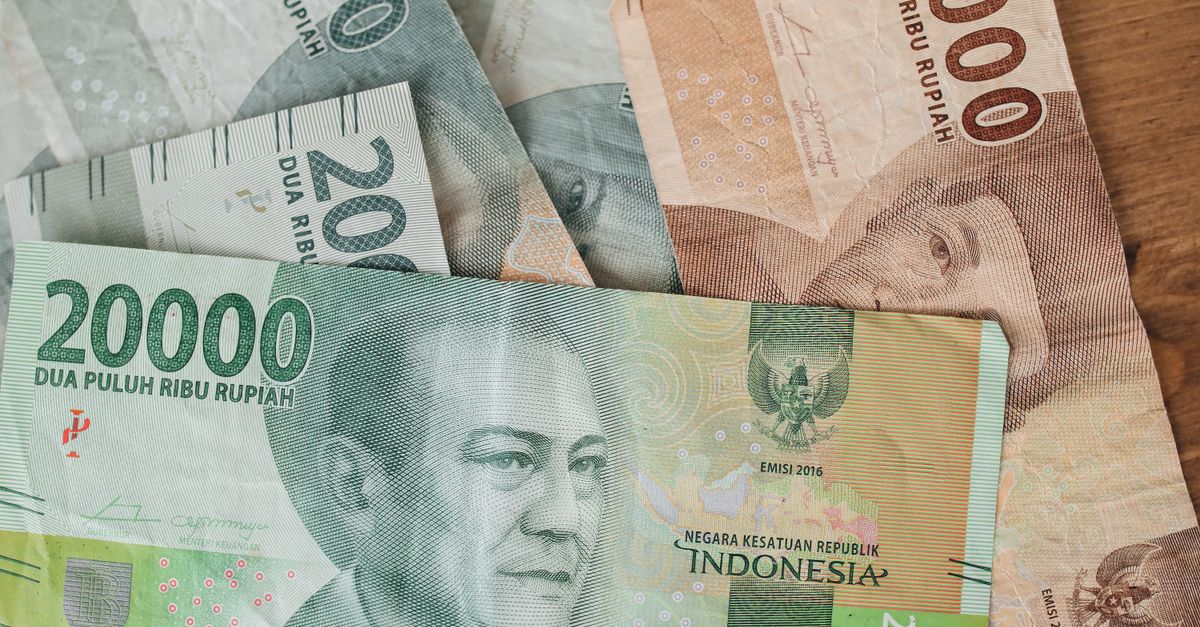
Let’s talk money first, because the Mount Batur tour cost is where most people get caught out. A standard group trek in 2026 runs roughly 500,000 to 825,000 IDR per person — that’s about £25 to £42, or $32 to $55. For that you should get hotel pickup and drop-off, your mandatory guide, the park entrance fee, a simple breakfast at the top (the classic trick is eggs steam-cooked in the volcanic vents) and the transfer back. I paid 550,000 IDR for my first group trek booked the day before, and a friend who hadn’t haggled paid nearly double through her villa — so the gap is real.
Go private and you’re looking at considerably more — often $70 upwards per person — but you get a guide to yourself, a flexible pace and no waiting for stragglers. If you’re nervous about booking blind, a reputable operator like this Mount Batur sunrise trek bundles the pickup, guide and breakfast at a fixed price, which spares you the pre-dawn negotiation. One genuine warning: the cheapest WhatsApp deals sometimes quietly drop the entrance fee or the breakfast, then collect it from you in cash at 4am. Read what’s actually included before you commit.
The local-guide rule: why you can’t hike Batur alone
Here’s the non-negotiable bit. You cannot legally climb Mount Batur without a registered guide, full stop. The mountain is managed by the HPPGB — the local association of Batur trekking guides — and they’re serious about it. There are checkpoints at the base near Toya Bungkah, and turning up solo to save money will get you stopped and sent back. I’ve watched it happen to a couple who’d read an old “do it yourself” blog post and assumed the rule was soft. It isn’t.
People grumble about this, and I understand why — it’s a closed shop and the pricing reflects that. But two things are true at once. The trail genuinely is dark, loose and easy to lose in places, and a good guide reads the cloud and times your summit perfectly. And the income matters enormously to families in these volcanic villages, where farming the slopes is hard. So the Mount Batur guide requirement isn’t just bureaucracy; it’s how the community shares the mountain. Book through your guide or a trusted platform, treat them well, and tip if they’ve earned it. Mine pointed out wild strawberries growing in the ash on the way down — you don’t get that from a guidebook.
Start time, summit height and how hard it really is
The schedule is brutal and worth knowing. Pickup is usually between 1:30 and 2:30am depending where you’re staying, with arrival at the trailhead around 3:30am. From there it’s a 1.5 to 2 hour climb to the 1,717m summit, timed to land you up top before the sky starts to colour at roughly 6am. If you’re coming from Seminyak or Canggu, that’s a two-hour drive each way, so factor in a wrecked sleep schedule.
Now, the honest take on difficulty. Most reasonably fit people manage it, and I’d put it at moderate rather than hard — but don’t let “easy volcano hike” lull you. The first stretch is gentle, then the last 30 to 40 minutes ramps up steeply over loose scree, in the dark, and your calves will let you know. Decent trainers with grip make all the difference; I’ve seen people slither up in fashion sneakers and regret every step. If the climb genuinely isn’t for you but you still want that crater-rim sunrise, a Mount Batur sunrise jeep tour drives you to a high viewpoint instead — no summit, but the same glorious light.
What to bring (and what the cold will teach you)
Everyone underestimates the cold, and it’s the number-one thing I nag friends about. You start in the dark at altitude and you’ll genuinely shiver at the top before sunrise — pack layers, including a light fleece or jacket, then strip down once the sun’s up and the heat arrives fast. A small backpack with water, a few snacks and your phone or camera is plenty. A head-torch is essential; most guides carry spares but I always bring my own.
Beyond kit, there’s the etiquette, which is newer and matters. Bali now asks visitors to treat its peaks as the sacred places they are — dress modestly rather than in skimpy gear, don’t hike under the influence, and follow your guide on where you can and can’t sit, because some spots are places of worship. There’s also the island-wide tourist levy of around 150,000 IDR (about $9.50) that every visitor should pay online before arrival. None of this is onerous. It’s just the difference between being a guest and being the tourist everyone complains about. Sunrise, by the way, can be cloudy in the rainy season — bring a thin waterproof November to March, and manage your expectations.
Best time to go, the closure rumours, and beating the crowds
Timing shapes everything. The dry season — broadly April to November, with June to September the driest — gives you the clearest skies and the best odds of a knockout sunrise. The catch is crowds: peak mornings can see hundreds of hikers, and the summit gets genuinely busy. The rainy season, roughly November to March, is greener and far quieter, but you’re gambling on cloud. My favourite compromise is the shoulder months, April–May or October, when the air’s usually clear and the trail less of a conga line.
On the closure rumours — yes, you’ll see panicky posts claiming Mount Batur is shut. It isn’t. Back in 2023 Bali’s then-governor floated closing all 22 of the island’s mountains to hikers after some appalling tourist behaviour, but it was never passed into law, and Batur remains open in 2026. The behaviour rules above are the real legacy of that episode. Getting there is the last piece: most people fold transport into their tour, but if you want to add Kintamani’s coffee plantations or Lake Batur afterwards, hiring a private driver for the day is the relaxed way to do it without watching the clock.
So is the pre-dawn alarm worth it? For me, every single time — there’s nothing quite like steam rising off the crater as the whole valley turns gold beneath you. If you’ve done the Mount Batur sunrise trek and have a tip I’ve missed — a guide you loved, a quiet month that surprised you — reply and tell me. My Bali list is never finished, and the best bits always come from readers.
Before you go — I wrote this in 2026 and double-checked every price, fee, opening time and rule I could, but Bali changes fast. Treat the figures here as a guide and confirm the latest details before you book or travel.
Some of the links in this article are affiliate links: if you book through them I may earn a small commission at no extra cost to you. I only ever recommend things I would happily send a friend to.
FAQs
Do you need a guide to climb Mount Batur in 2026? Yes — a registered HPPGB local guide is legally required and the rule is strictly enforced. There are checkpoints at the base near Toya Bungkah, and anyone turning up without a booked guide will be stopped and sent back. It’s both a safety measure on the dark, loose trail and a way the local villages share income from the mountain.
How much does the Mount Batur sunrise trek cost? A group trek in 2026 typically costs around 500,000–825,000 IDR (£25–£42 / $32–55) per person. That usually covers hotel pickup, your guide, the entrance fee, a simple summit breakfast and the transfer back. Private treks cost more, often $70 and up, in exchange for a guide to yourself and a flexible pace.
What time does the Mount Batur trek start? Pickup is usually between 1:30 and 2:30am, with arrival at the trailhead around 3:30am. You then climb for 1.5–2 hours to reach the summit before sunrise at roughly 6am. The exact pickup time depends on how far your accommodation is from Kintamani.
How high is Mount Batur? Mount Batur’s summit sits at 1,717 metres above sea level. It’s an active volcano in the Kintamani region of north-east Bali, overlooking Lake Batur. The altitude is why the summit feels genuinely cold before dawn even though Bali is tropical.
How difficult is the Mount Batur hike? It’s a moderate hike that most reasonably fit people can manage. The first section is gentle, but the final 30–40 minutes is steep over loose volcanic gravel, in the dark, so good grippy footwear matters. Allow 1.5–2 hours up and a little less coming down.
Is Mount Batur closed to hikers? No, Mount Batur is open in 2026. A 2023 proposal to close all of Bali’s mountains to tourists was never passed into law, so the trek continues as normal. What did change is a stronger emphasis on respectful behaviour and dress on the sacred mountain.
What should I wear and bring for the trek? Bring layers — it’s cold at the summit before sunrise, then warms up fast once the sun is up. Pack water, snacks, a head-torch, grippy trainers and your camera, plus a thin waterproof in the rainy season. Dress modestly out of respect, as Batur is a sacred site.
What’s the best time of year for the Mount Batur sunrise? April to November is best, with June to September the driest and clearest. Those months offer the best odds of a stunning sunrise but also the biggest crowds. The shoulder months of April–May and October are a good compromise of clear skies and fewer people.
Will I see the sunrise if it’s cloudy? Not always — the rainy season from November to March brings more cloud cover, and some mornings the view is hazy or socked in. Even then, some mornings clear beautifully, so it’s a gamble rather than a guarantee. A good guide times your summit to give you the best chance.
Is there an alternative if I can’t manage the climb? Yes — a Mount Batur sunrise jeep tour drives you to a high viewpoint instead of hiking to the summit. You miss the climb but still catch the sunrise light over the crater and lake. It’s a good option for anyone with limited mobility or young children.