Monkey Forest Ubud: Everything You Need to Know Before You Go
The 2026 entry fee, opening hours, three 14th-century temples, and honest macaque safety advice for Monkey Forest Ubud — from years of lived Bali experience.
The first time a macaque climbed onto my shoulder, I’d been in the forest for all of four minutes. I’d done everything wrong — sunglasses pushed up on my head, a half-eaten biscuit forgotten in my bag — and a young male simply decided I was worth investigating. He left with the sunglasses. I left with a story and a lesson. That’s Monkey Forest Ubud in a nutshell: genuinely magical, occasionally chaotic, and far more rewarding when you know what you’re walking into.
If you’re heading to central Bali, the Sacred Monkey Forest Sanctuary (its full name) is one of those rare attractions that lives up to the hype — a 12.5-hectare patch of cool, mossy jungle a short walk south of Ubud’s main market. It’s home to more than 1,200 long-tailed macaques and three centuries-old Hindu temples, and it sits right at the bottom of Jalan Monkey Forest, the road named after it. I’ve been back more times than I can count, with nervous first-timers and seen-it-all friends alike. So here’s everything I genuinely think you need to know before you go — the fees, the hours, the temples, the monkeys, and the bits nobody warns you about.
Entry fee, opening hours and how to buy tickets
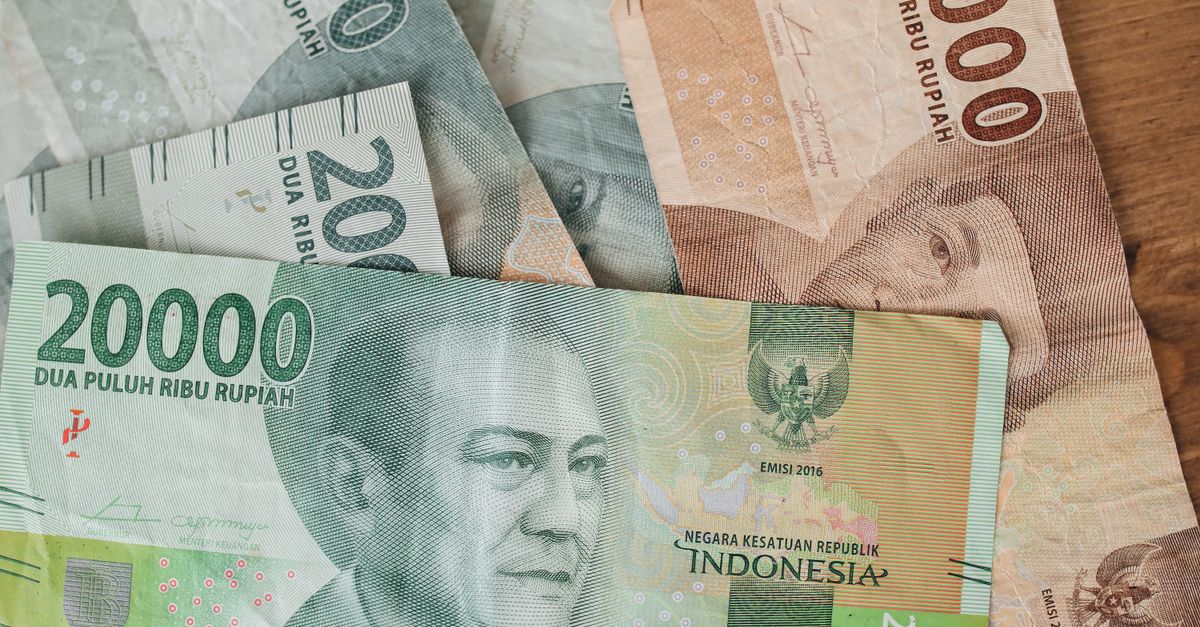
Let’s get the practical stuff sorted first, because this is what most people search for. As of 2026, the monkey forest Ubud entry fee is around IDR 80,000 per adult on weekdays and IDR 100,000 at weekends — children pay a little less (roughly IDR 60,000). The weekend bump came in back in early 2025, so don’t be surprised if a Saturday costs you more than the Tuesday figure you saw on an old blog. Prices do change without notice, so always check the official site before you go.
Opening hours are daily, 09:00 to 18:00, with last admission roughly an hour before closing (sources put it anywhere from 17:00 to 17:15, so aim to arrive well before five to be safe). My honest advice? Arrive right at opening. I’ve turned up at nine on a weekday and had whole stretches of path almost to myself, the light still soft and the macaques sleepy and unhurried. By midday in high season it’s shoulder-to-shoulder near the entrance, and the monkeys get bolder the more crowded — and snackier — the visitors become.
You don’t need to book ahead. There’s a ticket counter at the entrance, plus card-only self-service kiosks, and you can buy online through the official site if you’d rather skip the queue. If you want it bundled into a wider Ubud itinerary with a driver, a combo ticket can save faffing about with cash on the day. One small thing: those “Monkey Moment” staff selfies cost extra (around IDR 50,000), and you absolutely don’t need one to have a good time.
The three sacred temples hidden in the jungle
Here’s what people miss when they come purely for the monkeys: this is first and foremost a sacred sanctuary, not a zoo. The forest holds three Hindu temples dating to around the middle of the 14th century, and for the Padangtegal community they’re living places of worship, not photo backdrops.
The main one is Pura Dalem Agung Padangtegal, the “Great Temple of Death,” tucked into the southwest of the forest and dedicated to Shiva in his form as transformer. Then there’s Pura Beji, a “Holy Spring” bathing temple by the stream in the northwest, used for spiritual cleansing, and Pura Prajapati in the northeast, linked to cremation rites. Walking between them, with carved stone gates softened by moss and macaques dozing on ancient walls, is the part that’s stayed with me longest.
A word on respect, because it matters. These temples are mostly off-limits to non-worshippers unless you’re attending a ceremony in proper dress — a sarong and sash. Don’t climb the statues or clamber into the inner courtyards for a photo. The Balinese Hindu concept of Tri Hita Karana — harmony between people, nature and the divine — is the whole reason this forest exists and the monkeys are protected at all. You’re a guest in something genuinely sacred. Treat it that way and the place rewards you.
Meeting the macaques: what the monkeys are actually like
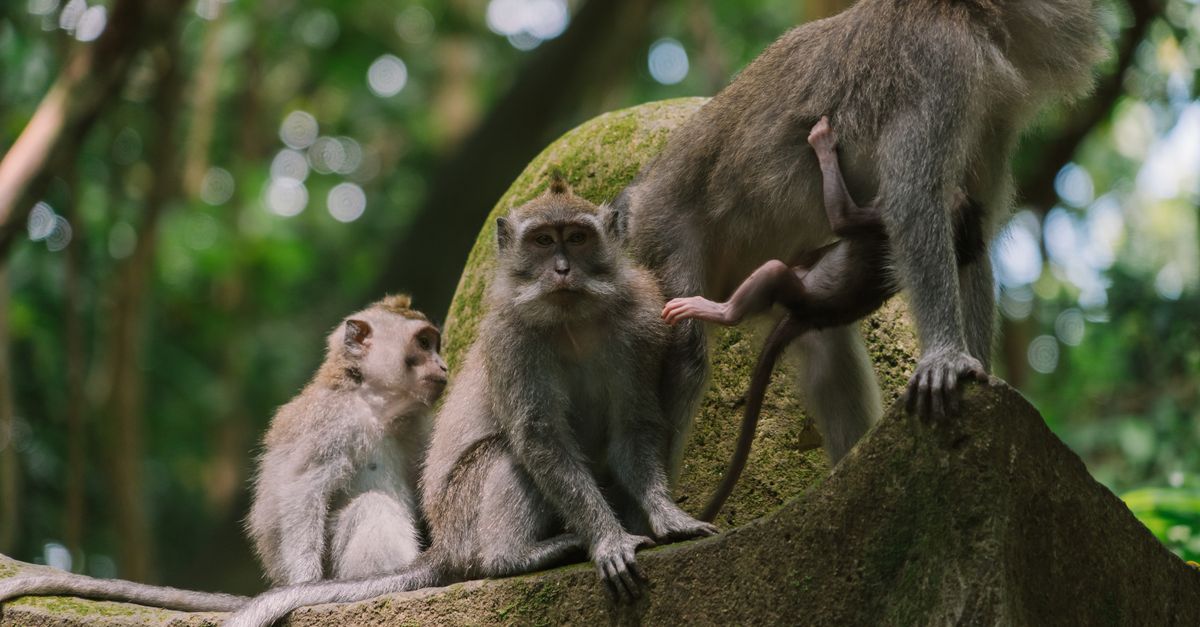
The stars of the show are Balinese long-tailed macaques — Macaca fascicularis, the same crab-eating species you’ll see across Southeast Asia. The population here has grown enormously over the years, from a few hundred a decade or so ago to more than 1,200 today (some counts put it nearer 1,260), split into several troops that each hold their own territory within the forest.
They are clever, fast, and completely unbothered by you. You’ll see mothers with tiny pink-faced babies clinging to their bellies, juveniles play-wrestling down the paths, and big dominant males sitting like bored bouncers near the busiest crossings. Watching them go about their day — grooming, squabbling, splashing at Pura Beji’s water — is honestly the best free entertainment in Ubud.
But do keep some perspective. These are wild animals, not pets, and they’ve learned over generations that humans equal opportunity. They’ll size up your bag in seconds. I’ve watched a macaque unzip a daypack with terrifying competence and make off with someone’s banana before they’d registered what happened. Move calmly, don’t crowd them — especially mothers and babies — and let them set the distance. The ones who get nipped are almost always the ones lunging in for a selfie or, worse, teasing with food.
Staying safe: the rules I wish someone had told me
Right, the bit I take seriously. The single most important rule is the one the sanctuary states plainly: do not feed the monkeys. Only staff are allowed to feed them, on a schedule, with the right food. Visitors feeding them is what drives aggression and snatching, so don’t be the person who ignores the signs.
Beyond that, a short honest checklist from someone who’s made the mistakes. Hide all food — even an unopened packet rustling in your bag is a magnet. Take off dangling earrings, necklaces and loose sunglasses, and zip your phone away when you’re not using it; the macaques love anything shiny or that resembles a snack. Avoid direct, prolonged eye contact, which they read as a challenge. And keep water bottles out of sight — they know exactly what those are.
If a monkey does grab something, let it go. It’s not worth a bite. Speaking of which: macaque scratches and bites carry a rabies risk, and Bali has had rabies cases, so if you’re broken-skin bitten or scratched, wash the wound thoroughly with soap and water and get to a clinic for post-exposure treatment the same day — don’t wait. It’s rare, but I’d never tell you it can’t happen. Travel insurance that covers medical evacuation is genuinely worth having for Bali generally.
Getting there and what else to do nearby
The forest sits at the southern end of Jalan Monkey Forest, an easy 10–15 minute stroll from Ubud Palace and the central market, which is part of why it’s so popular — you can fold it into a wander around town without a car at all. If you’re staying further out, a scooter is the cheapest way in (there’s paid parking), or hire a car and driver for the day if you’re combining it with sights outside Ubud.
And do combine it. Half a day is plenty for the forest itself, so I’d pair it with the rice terraces at Tegallalang and the jungle-swing-and-coffee circuit at Alas Harum just north of town — both an easy drive away. Round the day off with lunch on Jalan Monkey Forest, where there’s everything from warungs to smart vegan cafés.
One practical tip on timing your wider day: Bali’s roads are slow, the urban speed limit is 50 km/h, and Ubud’s one-way streets clog badly mid-afternoon. Front-load the forest in the morning, head to the terraces by late morning, and you’ll dodge the worst of both the crowds and the traffic.
Final thoughts
Here’s my one-sentence takeaway: come early, hide your snacks and your sunglasses, treat the temples as the sacred places they are, and Monkey Forest Ubud is one of the most quietly wonderful couple of hours you’ll spend in Bali.
I’ve sent dozens of friends through those mossy gates now, and the messages I get back are always the same delighted mix of “that was incredible” and “a monkey absolutely tried to rob me.” Both can be true. If you go, I’d genuinely love to hear how it went — which troop you stumbled into, whether you behaved better than I did with my sunglasses, and what you paired it with afterwards. Reply and tell me. My list of Ubud tips is never quite finished, and the best additions always come from readers who’ve just been.
FAQs
How much is the Monkey Forest Ubud entry fee in 2026? It’s around IDR 80,000 per adult on weekdays and IDR 100,000 at weekends, with children paying less (roughly IDR 60,000). The weekend rate rose by IDR 20,000 in early 2025, so check the official site on the day, as management can adjust prices. Tickets are sold at the entrance counter, card-only kiosks, or online.
What are the Monkey Forest Ubud opening hours? The forest is open daily from 09:00 to 18:00, with last admission about an hour before closing (sources put it between 17:00 and 17:15). I’d always aim for opening time — the macaques are calmer and the paths far quieter before the midday crowds arrive.
Do I need to book tickets in advance? No, you can simply walk up and buy a ticket at the counter or self-service kiosk. Booking ahead online or via a combo tour only helps if you want to skip the queue or fold the visit into a wider Ubud day with a driver.
Is Monkey Forest Ubud worth visiting? Yes — for most people it’s a genuine highlight rather than a tourist trap. You’re walking through cool jungle past three 14th-century temples surrounded by more than 1,200 wild macaques, all for a few pounds. Set your expectations to “respectful wildlife encounter,” not “petting zoo,” and you’ll love it.
Can you feed the monkeys at the Sacred Monkey Forest? No, feeding the monkeys is strictly prohibited and only staff feed them. Visitor feeding is the main cause of aggression and snatching, so the rule is there to keep both you and the macaques safe. Keep all food hidden in a zipped bag.
Are the monkeys dangerous? They’re wild animals and can scratch or bite, usually when provoked, crowded, or tempted with food. Most visits pass without incident if you move calmly and don’t tease them. The real risk is from people lunging in for selfies or holding out snacks.
What should I do if a monkey bites or scratches me? Wash the wound thoroughly with soap and running water immediately, then get to a clinic the same day for assessment, because of the rabies risk in Bali. Don’t wait and see. Decent travel insurance with medical cover is well worth having.
What should I not bring or wear to the Monkey Forest? Leave dangling earrings, necklaces, loose sunglasses and visible water bottles behind or zipped away — macaques snatch anything shiny or food-like. Keep your phone secured when you’re not using it, and never carry visible snacks. The fewer temptations you offer, the smoother your visit.
How long do you need at Monkey Forest Ubud? Around one to two hours is plenty to walk the loops, see the temples and watch the macaques. That leaves half a day free to pair it with the Tegallalang rice terraces, a jungle swing, or lunch on Jalan Monkey Forest nearby.
How do I get to the Monkey Forest from central Ubud? It’s a flat 10–15 minute walk south from Ubud Palace and the central market, straight down Jalan Monkey Forest. You can also take a scooter (there’s paid parking) or hire a car and driver if you’re combining it with sights outside town. No car is needed if you’re staying central.
Before you go — I wrote this in 2026 and double-checked every price, fee, opening time and rule I could, but Bali changes fast. Treat the figures here as a guide and confirm the latest details before you book or travel.
Some of the links in this article are affiliate links: if you book through them I may earn a small commission at no extra cost to you. I only ever recommend things I would happily send a friend to.