Hidden Waterfalls in Ubud 2026: Tukad Cepung, Tibumana & Beyond (Skip the Tourist Traps)
The hidden waterfalls near Ubud worth a morning of your holiday: real entrance fees, honest travel times, the ones to skip, and how to plan a relaxed day trip.
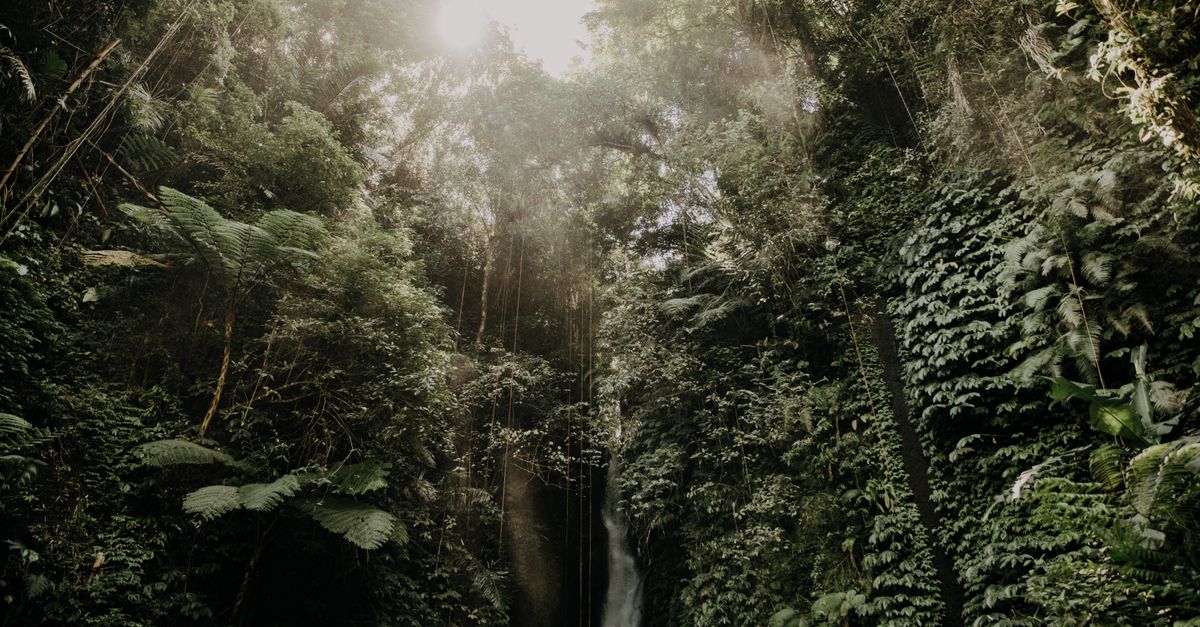
I found Tukad Cepung by accident. My scooter died on a back road north of Ubud, and while I waited for the mechanic, a woman selling snacks pointed down a track and said, “Waterfall. Fifteen minutes.” I wasn’t expecting much. What I got was a slot canyon with light pouring through a gap in the rock ceiling, landing on the water like a spotlight. Barely anyone else there. Just the roar of it, and me standing in the river with wet shoes and a grin.
That accident taught me the whole game of hidden waterfalls near Ubud. The good ones aren’t necessarily secret anymore — but the experience still is, if you’re deliberate about where you go and when. Ubud has changed. Tegallalang gets thousands of visitors a day now, and some waterfalls have ticket queues and stepped concrete paths. But quieter cascades still exist within an hour’s ride, and a handful of the famous ones are genuinely worth the crowds if you turn up early.
This is my honest guide to the waterfalls near Ubud that earn a morning of your holiday — the entrance fees in rupiah, the real travel times, the ones I’d skip, and how to string two or three together without it feeling like a coach tour. I’ve been to all of these more than once, and I’ll tell you where I’d send my own sister.
Which Ubud waterfalls are actually worth the trip?
Short answer: it depends what you’re after. Want the most dramatic light and don’t mind sharing it? Tukad Cepung. Want to swim in a quiet pool? Tibumana or Suwat. Want to feel like you’ve stumbled onto something, the way I did? Goa Rang Reng, early, on a weekday.
Here’s the honest filter I use. A waterfall is worth it when three things line up: the cascade itself is genuinely striking, the walk in is short enough that you arrive happy rather than sweaty and cross, and you can get there before the tour vans. Miss the last one and even a beautiful spot turns into a photo scrum. The waterfalls I’d skip aren’t ugly — they’re the over-commercialised ones where you pay to enter, shuffle through vendors, and end up staring at a modest cascade over fifty other heads. More on those later. First, the ones I keep going back to.
Tukad Cepung: the cathedral waterfall (worth the hype)
Tukad Cepung is different because it hides inside the rock. The water drops into a narrow canyon, and on a clear morning — roughly 8 to 10am — sunlight slices through a gap in the ceiling and hits the spray. That’s the shot everyone comes for, and honestly, it deserves the reputation. It’s the most cinematic waterfall near Ubud.
Let me be straight about the reality, though: it isn’t a secret. On a busy weekend a few hundred people cycle through, and because the canyon is tight, there can be a polite queue for the light. The walk from the car park is short — around 700 metres, maybe fifteen minutes — but the last stretch has you wading through the river, so leave the flip-flops behind and wear something with grip.
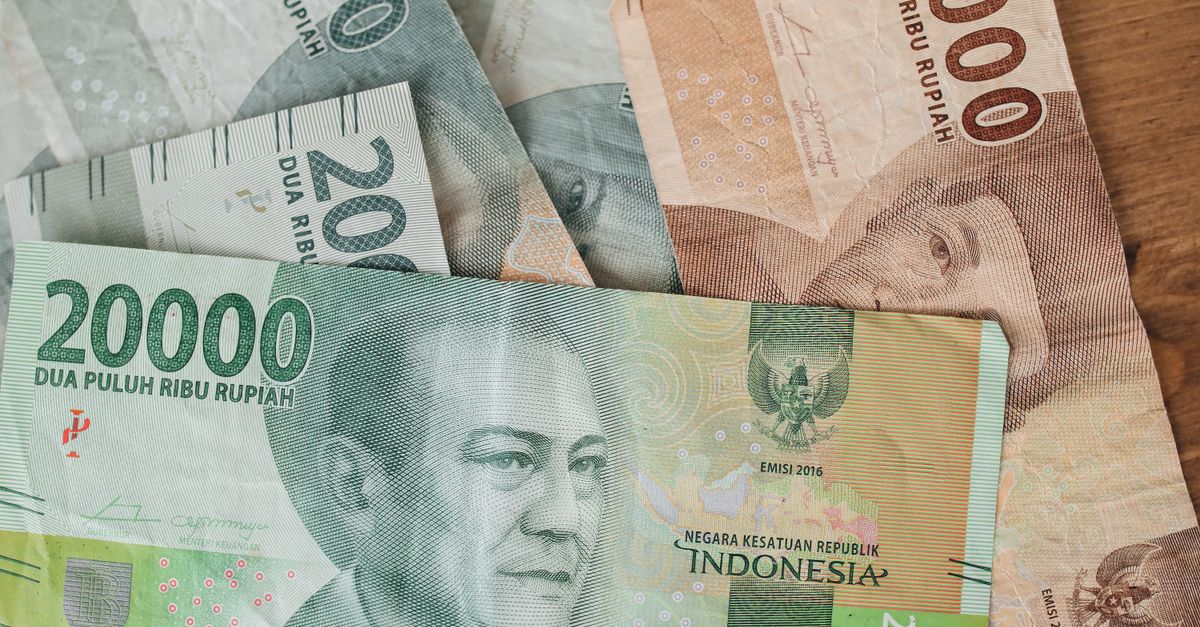
Getting there: It’s in Tembuku village, Bangli, roughly an hour northeast of Ubud by car or scooter. Google Maps takes you straight to the car park. Entrance is around Rp 25,000–30,000, cash only, with a small parking fee at most. A local guide will offer to walk you in for a tip, but you genuinely don’t need one.
Best time: Arrive by 8am for the light and the quiet. Rainy season (roughly November–March) means more thundering water but slippier rock, so tread carefully.
Tibumana: the swimmer’s favourite
If Tukad Cepung is about light, Tibumana is about the water itself. It’s a single, elegant ribbon of a fall, maybe fifteen metres, dropping into a deep, clean pool that’s actually lovely to swim in. The setting is forested and calm, and on an early weekday morning you can have long stretches of it almost to yourself.
A quick myth-bust, because I keep seeing this wrong online: Tibumana is not in Kintamani. It’s in Apuan village, in the Bangli regency, about 14 to 15 kilometres from central Ubud — a genuinely pretty 40 to 45-minute ride past rice paddies. The path down is mostly paved with railings, around fifteen minutes, so it’s manageable if you’re not a keen hiker.
Costs and hours: Entrance is Rp 25,000, with parking about Rp 5,000 for a scooter or Rp 10,000 for a car, and there’s usually a locker for a few thousand more. It’s open roughly 7am to 6pm. Bring a towel — you’ll want to get in.
Best time: Before 9am, before the midday coaches. The light stays soft in the canyon most of the morning.
Kanto Lampo: the waterfall you climb into
Kanto Lampo isn’t one clean drop — it’s a wide, tiered curtain of water sheeting down a stepped rock face, so you don’t just look at it, you clamber onto it. You wade and scramble up the terraced stone as the water streams past your legs. It’s more of an experience than a viewpoint, and it photographs beautifully because of that layered shape.
It’s the closest of my favourites to Ubud, tucked into Beng village, Gianyar, about 30 minutes away. That proximity is a blessing and a curse: it’s easy to reach, so it fills up. Get there for opening.
Costs and hours: Entrance is around Rp 20,000–25,000, plus the usual Rp 5,000/10,000 parking, and it opens early — roughly 6am, though hours drift, so aim for that first hour. Bring a dry bag; you will get wet here, there’s no staying dry on those steps.
Best time: The very first slot, 6.30 to 7.30am, is transformational compared with 10am. I cannot stress this enough — the difference between arriving at dawn and arriving mid-morning is the difference between two completely different places.
Goa Rang Reng: the genuinely quiet one
This is my answer when someone says they want what I found by accident — the hush, the sense of discovery. Goa Rang Reng sits in Bakbakan village, Gianyar, only about 10 kilometres from Ubud (25 to 35 minutes), yet it stays remarkably peaceful because it’s simply not marketed the way the big names are.
And here’s the lovely twist: it has a real cave. Above the falls there’s a rock chamber with an opening that lets a shaft of light through, and a freshwater spring inside that local Balinese Hindus use for ceremonies. It carries genuine cultural weight — tied to the old legend of King Bedahulu — so it’s a place to be quiet and respectful, not to blast a speaker.
Costs: Entrance is small and a bit variable, somewhere around Rp 10,000–20,000, cash. Facilities are basic. That’s rather the point.
Best time: A weekday morning, without question. If you visit only one waterfall on this list for the feeling rather than the photo, make it this one.
The waterfalls I’d manage your expectations about
Not every famous name earns your morning. Tegenungan is the big one to be honest about — it’s the closest major waterfall to south Bali, only about 20 minutes and 10 kilometres from Ubud, with a Rp 20,000 entry. It’s genuinely dramatic and wide, but by late morning it can feel like a theme park: crowds, vendors, viewing platforms packed three deep. If you go, go before 8am, or don’t go at all.
Two others I’d only bother with if you’re already passing: GitGit and Aling-Aling sit up towards the north coast, a long two-hour-plus drive each way. Both are pretty, but you’re spending most of the day in a car for them. Unless you’re doing a full northern loop, that time is better spent lingering at Tibumana or Goa Rang Reng. Save the epic drives for when you’ve got a whole day and a proper reason.
How to build a relaxed waterfall day trip
The mistake I made early on was trying to cram in four waterfalls. You end up rushing, wet, and grumpy. Two is the sweet spot; three if you start at dawn. Public transport doesn’t really serve these places, so you’ll want a scooter if you’re confident, or a driver for the day.
Honestly, for waterfall-hopping I’d take the driver. You arrive dry, you don’t wrestle Google Maps on unfamiliar roads, and someone minds your bags while you swim. A day with a private car and driver typically runs around Rp 600,000–900,000 for the whole day with several stops — split between two or three people it’s very reasonable. If that suits you, I book through a private car with a Bali driver and let them handle the routing.
Two itineraries I’d actually recommend:
- The light-and-swim morning: Tukad Cepung at opening for the sunbeam, back towards Ubud, then Tibumana for a swim before the coaches arrive.
- The quiet route: Goa Rang Reng first for the hush, then Suwat (in Gianyar, ~30–40 minutes, Rp 40,000 entry) for a long calm swim in its deep pool. Both stay peaceful on a weekday. Most days you’ll be done by early afternoon, which leaves the rest of the day for a slow lunch and a nap — the correct way to spend a Bali afternoon.
Season, safety and simple courtesy
A few things I wish I’d known sooner. Dry season (roughly June–September) gives you clearer water and easier footing, but gentler flow. Rainy season (November–March) turns the falls thunderous and the greenery lurid — genuinely more impressive — but the rocks get treacherous and flash flooding is a real risk, so never enter a canyon like Tukad Cepung if rain is coming. April–May and October split the difference nicely.
Then the basics that keep the day good: wear shoes with grip, bring a waterproof phone pouch and a dry bag, and go early — always early. Eat before you set off; the stalls on site are pricey and forgettable. And remember that several of these sites, Goa Rang Reng especially, are spiritually significant. Keep your voice down, don’t clamber over offerings, and cover up if you pass a temple area. A sarong in your bag covers you for that.
Final Thoughts
The Ubud waterfall scene has changed — five years ago half of these felt like secrets, and now most have ticket booths. But the magic hasn’t gone; it’s just moved earlier in the day and slightly off the obvious list. Go before 8am, pick two rather than five, and you’ll still get that hush I stumbled into on a broken scooter.
If you only do one, and you want the photo, make it Tukad Cepung. Want a swim? Tibumana. Want to feel like you’ve found something? Goa Rang Reng, early, on a quiet Tuesday. Whichever you choose, stand in it for a while before you reach for your phone. The water sounds better than it photographs.
Have you been to any of these — or found a quieter one I’ve missed? Tell me in the comments; I’m always after the next accidental discovery.
FAQs
Which hidden waterfall near Ubud should I visit if I only have time for one?
Tukad Cepung if you want the famous light beam and don’t mind company; Tibumana if you’d rather swim in a quiet pool; Goa Rang Reng if you want genuine peace and a real sense of discovery.
What are the entrance fees for waterfalls near Ubud?
As of 2026, roughly: Tukad Cepung Rp 25,000–30,000, Tibumana Rp 25,000, Kanto Lampo Rp 20,000–25,000, Suwat Rp 40,000, Goa Rang Reng around Rp 10,000–20,000, and Tegenungan Rp 20,000. All cash only, and small parking fees apply. Prices creep up, so carry a little extra.
How far is Tukad Cepung from Ubud?
About an hour northeast by car or scooter, in Tembuku village in the Bangli regency. The walk from the car park is short — around 700 metres — but you finish by wading through the river, so wear proper shoes.
Is Tibumana in Kintamani?
No — that’s a common mix-up. Tibumana is in Apuan village in the Bangli regency, about 14 to 15 kilometres and a 40 to 45-minute ride from central Ubud, past the rice paddies.
Can I swim at these waterfalls?
Yes at most — Tibumana, Suwat and Kanto Lampo all have swimmable water and Tibumana’s pool is lovely. Avoid swimming straight after heavy rain when currents strengthen and the water clouds, and always check for submerged rocks before you jump.
Can I get to the waterfalls by scooter, or do I need a car?
A scooter works for all of them if you’re a confident rider — Kanto Lampo and Tukad Cepung especially. For a full waterfall-hopping day, though, a private driver is easier: you stay dry, skip the navigation, and someone watches your bags while you swim.
What’s the best time of day to visit?
Early — genuinely before 8am wherever you can. The light is softer, the water is quieter, and you beat the tour vans. Kanto Lampo in particular is a different place at 6.30am than at 10am.
Which waterfall near Ubud is the least crowded?
Goa Rang Reng and Suwat stay the quietest, especially on weekday mornings, because they aren’t marketed like the headline names. Goa Rang Reng also has a genuine cave and a sacred spring, so keep things respectful.
Is rainy season a bad time to visit Bali’s waterfalls?
It’s a trade-off. November to March brings dramatic flow and lush scenery, but slippery rock and flash-flood risk — never enter a narrow canyon like Tukad Cepung if rain is on the way. Dry season (June–September) is safer but gentler.
How many waterfalls can I realistically see in one day?
Two comfortably, three if you start at dawn and keep the drives short. Any more and you’re rushing past the thing you came to enjoy. I’d rather linger at two than tick off four.
Before you go — I wrote this in 2026 and double-checked every price, fee, opening time and rule I could, but Bali changes fast. Treat the figures here as a guide and confirm the latest details before you book or travel.
Some of the links in this article are affiliate links: if you book through them I may earn a small commission at no extra cost to you. I only ever recommend things I would happily send a friend to.