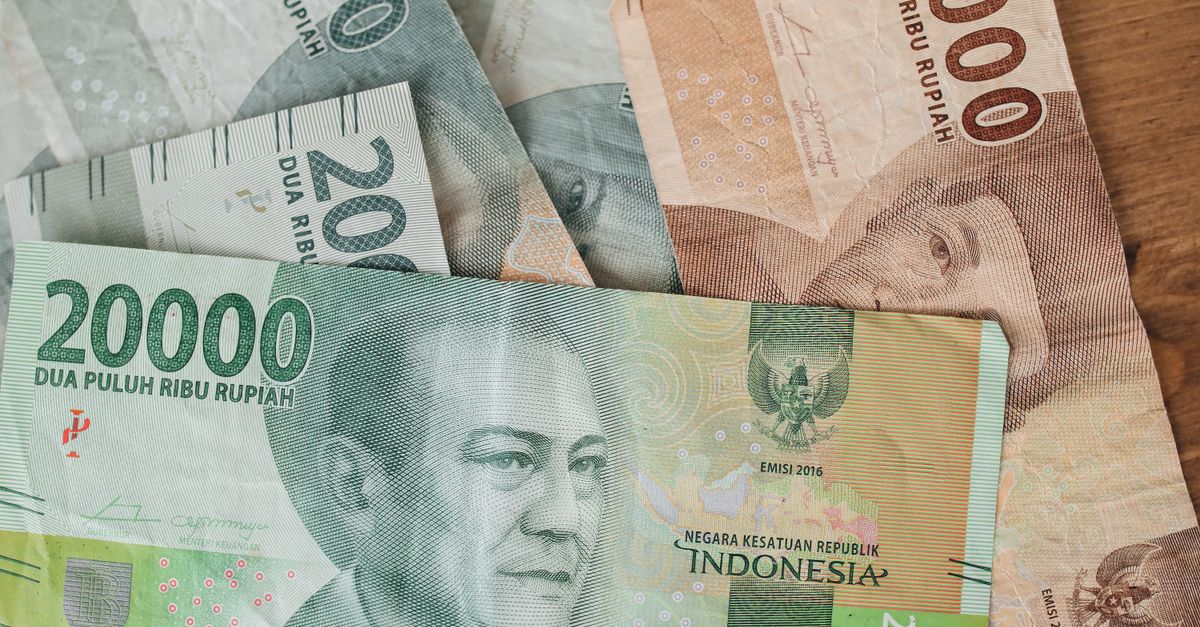
Grab vs Gojek in Bali 2026: How Ride-Hailing Apps Really Work (and Where They're Banned)
An honest, been-there guide to using Grab and Gojek in Bali in 2026 - how the apps compare, where pickups are informally banned, and how airport transfers actually work.
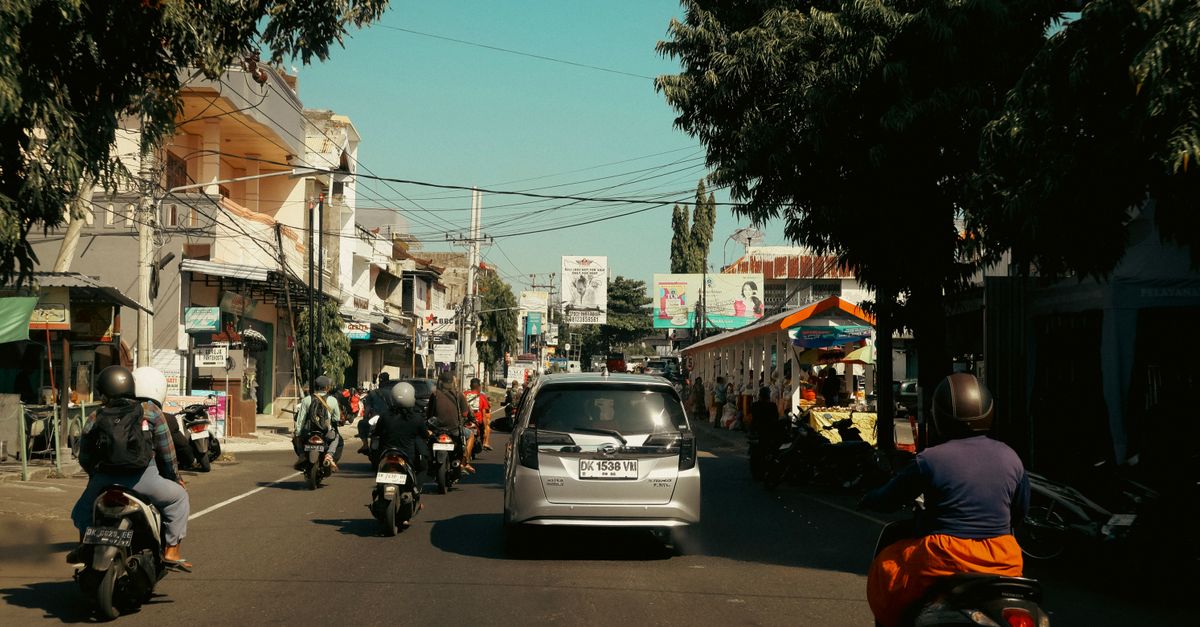
My driver stopped the car about two hundred metres short of my villa in Canggu, turned round, and said, very cheerfully, “Sorry, ma’am, I drop you here — I cannot go closer, the local guys.” He pointed vaguely up the lane. So I walked the last stretch with my bag, past a row of parked ojek drivers who watched me the whole way. Nobody was rude. This is just how ride-hailing works in parts of Bali, and if you understand it before you arrive, it stops being stressful and becomes a mild quirk. This guide covers Grab vs Gojek in Bali as they actually behave in 2026 — how the two ride-hailing apps compare, what you’ll pay, and, most importantly, the informal “green zones” where app pickups are quietly off-limits. I’ve used both apps across the island for years, so I’ll be honest about where they shine and where they’ll leave you standing on a corner. I’ll also cover the airport, which has its own rules, and Bluebird, the metered taxi that has saved me more than once. Nothing here is a hard legal line — most of it is local custom that varies by neighbourhood and by day.
Do Grab and Gojek Actually Work in Bali?
Yes — both Grab and Gojek work across most of Bali, and between them they’ll cover almost everything you need. Grab is the big regional player (used all over Southeast Asia), while Gojek is the Indonesian home team, and in practice both offer the same core services: a private car (GrabCar or GoCar), a motorbike taxi where you ride pillion (GrabBike or GoRide), and food delivery (GrabFood or GoFood). You book, you see an upfront price before you confirm, and the driver comes to you — no haggling, no meter arguments. That upfront-pricing bit is the whole appeal: you know the fare before you get in.
The catch is coverage. In the tourist belt — Seminyak, Kuta, Sanur, Denpasar, most of Canggu — the apps are quick and cheap. In central Ubud, around certain Uluwatu clifftops, and at some beach clubs, you can open the app and watch it spin with “no drivers available” even though cars are clearly nearby. That’s rarely a technical problem. It’s the green-zone situation I’ll explain below. My rule of thumb: download both apps before you fly, because when one shows no cars, the other sometimes does. If you’re weighing app rides against hiring a scooter or a driver for the day, I’ve written a fuller comparison in my guide to getting around Bali by scooter versus driver.
Grab vs Gojek: A Quick Head-to-Head
Here’s the short version if you only read one section. Grab and Gojek are far more alike than different, and most regular users end up with both installed.
- Coverage: Roughly equal across South Bali. Gojek, being Indonesian, sometimes has more bike drivers in dense areas; Grab often feels a touch stronger for cars and airport runs.
- Price: Very close. Gojek is often a few thousand rupiah cheaper on the same route, but it swings with demand — always compare both before confirming.
- Payment: Both take cash. For cashless, Gojek uses its GoPay wallet and Grab uses OVO; you can top these up at Indomaret, Alfamart, ATMs or via a card. Cash is the easiest route for a short trip.
- Bikes vs cars: GoRide and GrabBike (motorbike, one passenger, helmet provided) are the cheapest and fastest way through Bali traffic. GoCar and GrabCar are the comfortable, air-conditioned option and the sensible choice with luggage or in the rain.
- Extras: Both do food delivery brilliantly, which is genuinely useful on a lazy villa night. My honest take: pick whichever quotes lower for the specific trip. There’s no loyalty prize here, and having both open doubles your chance of finding a driver in a thin area.
Where Grab and Gojek Are “Banned” — The Green Zones
This is the part nobody warns you about. In several parts of Bali, local transport cooperatives — sometimes called pangkalan, governed by traditional banjar (village) rules — informally ban app drivers from picking up passengers on “their” turf. It isn’t a national law and it isn’t consistent, but as of 2026 it is very much still a thing, and it protects the livelihoods of local ojek and taxi drivers.
In practice it looks like this: your GoCar driver drops you off fine (drop-offs are almost always allowed), but when you try to book a pickup, the app shows no cars, or a driver accepts and then messages “please walk to the main road”. Central Ubud around the Monkey Forest and the palace is the classic example — you may need to stroll five or ten minutes to a “neutral” pickup point. Around some Canggu beach clubs, security will stop app-cars at the gate. Parts of Uluwatu near the temples are served mostly by local cooperatives at fixed (higher) rates.
None of this is worth a confrontation. If a driver asks you to walk a little or meet at a set corner, do it with good grace — they’re managing a genuinely delicate local situation, not being difficult. It varies by area and even by time of day, so treat it as “sometimes here”, not a fixed map.
Getting a Ride From Ngurah Rai Airport (DPS)
The airport deserves its own paragraph because it doesn’t behave like the rest of the island. As of 2026, Grab and Gojek both operate at Ngurah Rai (DPS) through official lounges in the parking buildings, rather than at the arrivals curb. You book in the app, then walk to the designated lounge and meet your driver at an assigned bay — you can’t just be collected outside the terminal doors. It works, but it’s a walk with your bags after a long flight, and prices can surge at busy times.
Your alternatives are the official airport taxi cooperative and Bluebird. Bluebird technically can’t pick up at arrivals (the airport taxi syndicate blocks it), though many travellers still walk one floor up to Departures to catch a metered one — reportedly still workable in 2026. Honestly, after a red-eye I usually skip the whole dance and arrange a pre-booked airport pickup so someone is standing there with my name on a sign and a fixed price already agreed. If you’d rather sort the arrival end properly, my Bali airport arrival guide walks through the terminal, the tourist levy and transfers in more detail.
The Bluebird Fallback (and Staying Safe)
When the apps fail you — dead zone, no drivers, phone on 2% — Bluebird is the reliable metered taxi to fall back on. The official company (look for the bird logo and a visible driver ID) uses the meter every time, and the MyBluebird app lets you book and pay cashless. Fares are roughly IDR 7,000 to start plus around IDR 6,500 per kilometre, though treat those as ballpark figures rather than a promise. Grab and Gojek are usually a little cheaper off-peak, but during a downpour or a surge, an honest Bluebird meter can actually beat them.
The one real trap is copycats: cars painted a near-identical blue with names like “Blue Biru” designed to fool you at a glance. They won’t use the meter and will quote an inflated flat fare. Use the app, or confirm the genuine logo, and you sidestep it. For solo travellers — and I’ve done plenty of solo Bali nights — the apps and MyBluebird all record your trip and driver, which is real accountability; share your live trip with someone if you’re heading somewhere quiet. Tipping isn’t expected, but rounding up or leaving a few thousand rupiah for a good driver is a kind touch. And if the whole app-and-zone puzzle sounds like a lot, it’s worth downloading the essential travel apps in advance — I round those up in my post on the one Indonesia app worth having.
Which Should You Actually Use?
After years of doing this, my setup is simple: I keep Grab, Gojek and MyBluebird all installed, and I let the situation decide. For everyday hops around Seminyak, Sanur or Denpasar, I open Grab and Gojek, compare the two quotes, and take whichever is cheaper — usually a bike for one person in traffic, a car with luggage or company. In the known green zones — central Ubud, parts of Canggu and Uluwatu — I assume I’ll have to walk a couple of minutes to a pickup point and I don’t fight it. For the airport, and for any long cross-island transfer, I pre-book a private car so the price and the pickup are settled before I land. Bluebird is my safety net for the moment nothing else works.
The mindset that makes Bali transport painless is flexibility. The apps are excellent value and genuinely convenient, but they operate inside a local system that predates them and doesn’t always bend to them. Understand the green zones, keep a backup, be gracious with the drivers who ask you to walk, and you’ll get around the island cheaply and calmly — which, after all, is the point of being here.
FAQs
Does Grab work in Bali in 2026?
Yes — Grab works across most of Bali, offering cars (GrabCar), motorbike taxis (GrabBike) and food delivery, with upfront pricing before you confirm. Coverage is strong in the tourist south but patchy in a few “green zones” where local drivers restrict app pickups.
Is Grab or Gojek better in Bali?
Neither is clearly better — they’re very similar, so most regular users keep both. Gojek is often marginally cheaper and strong for bikes, while Grab often feels a touch better for cars and airport runs. Compare both quotes for each trip.
Are Grab and Gojek illegal in Bali?
No, they aren’t illegal — they operate legally across Indonesia. What exists is an informal, local ban on app pickups in certain areas, enforced by village transport cooperatives rather than by law, and it varies by neighbourhood.
Where are Grab and Gojek banned in Bali?
As of 2026 pickups are informally restricted in central Ubud (near the Monkey Forest and palace), around some Canggu beach clubs, and parts of Uluwatu near the temples. Drop-offs are usually fine; it’s collecting you that’s the issue, and it varies.
Why does my Grab driver ask me to walk to a pickup point?
Because you’re likely in a green zone where local cooperatives restrict app pickups, so the driver meets you just outside it to avoid friction. It’s a normal, informal arrangement — walk the short distance and be friendly about it.
Can I use Grab or Gojek from Bali airport?
Yes — both operate at Ngurah Rai (DPS) in 2026 via official lounges in the parking buildings, not at the arrivals curb. You book in the app and walk to a designated bay to meet your driver, so allow a little extra time with luggage.
How do I pay for Grab and Gojek in Bali?
Both accept cash, which is easiest for tourists, as well as in-app wallets — GoPay for Gojek and OVO for Grab — and cards. You can top up wallets at Indomaret, Alfamart, ATMs or with a linked card.
Is Bluebird taxi better than Grab in Bali?
Bluebird is the most reliable metered taxi and a great fallback, especially during surge pricing or in app dead zones. Grab and Gojek are usually slightly cheaper off-peak, so use the apps first and keep Bluebird as your safety net.
Is it safe to use ride-hailing apps in Bali as a solo traveller?
Generally yes — Grab, Gojek and MyBluebird all record your driver and route, which gives you accountability, and you can share your live trip. Use the official apps rather than street taxis, and watch for Bluebird copycats with near-identical blue livery.
Do I need to tip Grab and Gojek drivers in Bali?
Tipping isn’t expected, as the fare is set in the app. That said, rounding up or leaving a few thousand rupiah for a helpful driver, especially on a long or rainy trip, is a small, appreciated gesture.
Before you go — I wrote this in 2026 and double-checked every price, fee, opening time and rule I could, but Bali changes fast. Treat the figures here as a guide and confirm the latest details before you book or travel.
Some of the links in this article are affiliate links: if you book through them I may earn a small commission at no extra cost to you. I only ever recommend things I would happily send a friend to.