Flights to Bali from the UK: Routes, Journey Times and How to Find Deals
There are no non-stop flights to Bali from the UK, so every route runs through a hub. Here are the real routes, honest journey times and how I actually find a decent fare.
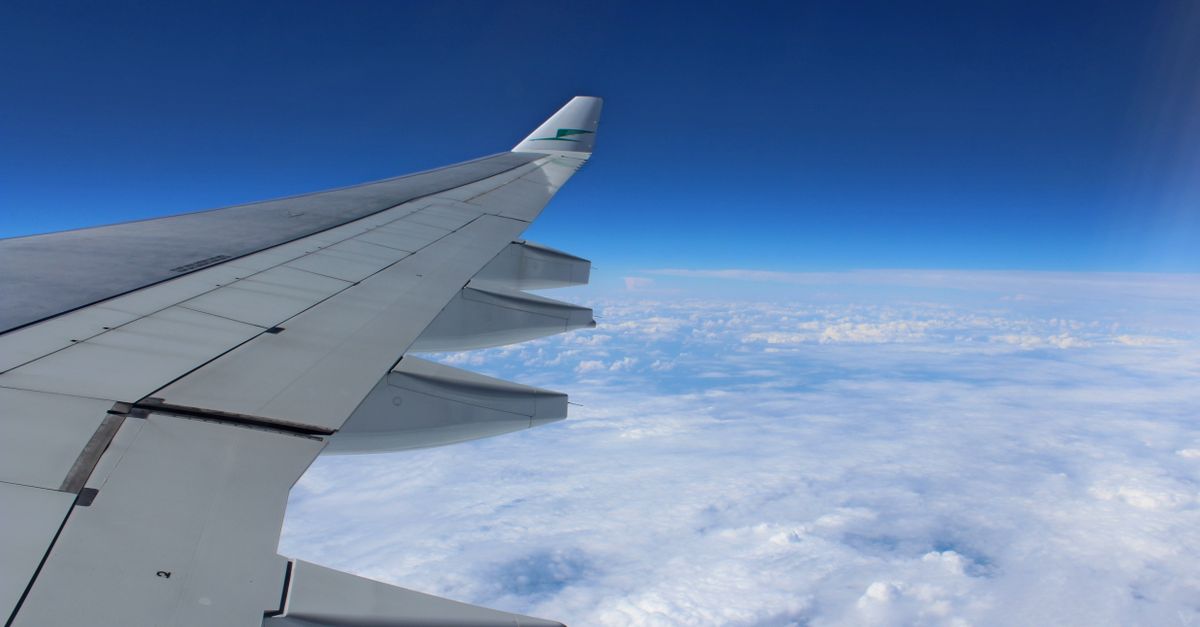
I still remember the moment the cabin crew on my first flight to Bali announced we were beginning our descent into Denpasar — and I realised I’d been travelling for the better part of a day. Nobody had warned me that flights to Bali from the UK don’t run in a straight line. There’s no plane that lifts off at Heathrow and sets you down at Ngurah Rai without a stop somewhere in the Gulf or Southeast Asia. I’d half-expected a single long haul; instead I got two flights, a layover and a slightly wild-eyed reflection of myself in a Doha bathroom mirror at 3am.
That was years ago now, and I’ve done the run more times than I can count — sometimes splashing out, more often scraping together the cheapest itinerary I could stomach. The journey is long, yes. But it’s also completely manageable once you understand how the routes actually work, what a sensible total travel time looks like, and when the fares dip low enough to be worth pouncing on. This guide is everything I wish I’d known before I booked that first ticket: the real routes, honest journey times, the airlines worth your money, and the small print at Denpasar that catches people out. Let’s get you here.
Why there are no direct flights to Bali — and the one-stop routes that actually work
Let’s clear this up first, because it trips everyone up: there are no non-stop flights to Bali from the UK. Not from Heathrow, not from Gatwick, not from Manchester. The distance is simply too far for a commercial aircraft to do in one hop without commercial sense going out the window, so every single route stops at a hub.
The good news is that you’ve got real choice. The most common one-stop flights to Bali run via Doha with Qatar Airways, via Dubai with Emirates, via Singapore with Singapore Airlines, and via Kuala Lumpur with Malaysia Airlines. Hong Kong with Cathay Pacific and Bangkok also crop up, and Etihad routes you through Abu Dhabi. You’ll fly into a big international hub, change planes, then take a second flight down to Denpasar — and the length of that second leg depends entirely on the hub. From Singapore or Kuala Lumpur it’s a short hop of two-and-a-half to three hours; from the Gulf hubs like Doha or Dubai it’s a substantial flight of around nine hours in its own right.
My honest take after years of this? The Gulf carriers — Qatar and Emirates — tend to be the workhorses, with several departures a day and seamless connections. Singapore Airlines via Changi is the one I book when I want the journey itself to feel like part of the holiday. The thing to watch isn’t the airline so much as the layover: a 90-minute connection sounds efficient until your first flight is delayed and you’re sprinting through a terminal. I now actively prefer a two-to-three-hour gap. Long enough to breathe, short enough that you’re not sleeping on a bench.
A decent inflatable travel pillow and a pair of compression socks earn their space in your carry-on on this route — cheap insurance against a stiff neck and swollen ankles by hour eighteen.
How long is the flight to Bali from the UK, really
Here’s the number that matters: door to door, expect somewhere between 17 and 24 hours. The Bali flight time from the UK is never the single figure people hope for, because you’re adding two flight legs plus your time on the ground at the hub.
The fastest realistic itinerary I’ve found is around 16 to 17 hours total — usually London to Singapore, then a short hop across to Denpasar with Singapore Airlines. The Gulf routes through Doha and Dubai tend to land closer to 18 to 20 hours when the connection is sensible, and they can balloon past 23 hours if you’ve booked an itinerary with a long, awkward layover. I once chose a fare that looked brilliant on paper and only realised afterwards it bundled in a seven-hour overnight wait in an airport that shall remain nameless. Lesson learned.
Pure flying time is roughly 15 to 16 hours split across the two legs. The rest is your layover. My advice: when you’re comparing options on a booking site, sort by total journey time rather than just price, and read the layover length before you get seduced by a cheap headline fare. An extra £40 for five hours of your life back is, more often than not, worth it.
I also fly in the same kind of outfit every time now — soft travel joggers, a lightweight layer and slip-on shoes that are easy to get through security and comfortable enough to sleep in. At hour fifteen, comfort beats style every time. The other thing worth the investment: proper noise-cancelling headphones. Doha and Dubai are not quiet airports, and blocking out two busy hubs plus two cabins of engine noise is the difference between landing rested and landing rattled.
Which airline to choose for the trip to Denpasar
People always ask me for the best airline to Bali, and the honest answer is that it depends on what you’re optimising for — but the top three are consistently Emirates, Singapore Airlines and Qatar Airways. Emirates is the most popular choice with UK travellers, and on the right day you’ll be on an A380 through Dubai, which makes the long haul genuinely comfortable.
Qatar Airways via Doha is my reliable default. The Qsuite business cabin is famous, but even in economy the service is excellent and Hamad International is a calm place to spend a couple of hours. Singapore Airlines is the one I’d pick for a treat — Changi airport alone, with its gardens and waterfall, turns a layover from a chore into something I almost look forward to. Malaysia Airlines through Kuala Lumpur is usually the value play and perfectly fine for the money.
What I’d gently warn against is chasing the absolute rock-bottom fare on a route with two changes or a budget second leg. The saving is rarely worth arriving frazzled. I’d rather pay a little more for one clean stop and decent legroom, because the first day in Bali is precious and I don’t want to spend it horizontal recovering.
How to find cheap flights to Bali — the months and tricks that work
This is the bit that genuinely saves money. Return economy fares from the UK start around £490 to £520 on the cheapest dates, sit comfortably in the £550 to £700 band most of the year, and climb to £850 and beyond in peak season. The difference between booking well and booking badly is easily a few hundred pounds.
The cheapest time to fly to Bali is broadly September and November, with April another reliable shoulder-season option — September in particular often throws up the lowest fares, and November can dip too despite the rains arriving. July is the worst month for your wallet, averaging north of £700, with Christmas and New Year close behind. Bali’s dry season runs roughly April to October, so the sweet spot for me is the shoulder — April, May, late September — when the weather’s still lovely but the school-holiday crowds and prices haven’t peaked.
A few habits that work: set a price alert on Skyscanner or Google Flights and let it watch the route for a few weeks before you commit. Book around 90 days out as a rule of thumb. Fly midweek — a Tuesday or Wednesday departure is reliably cheaper than a Friday. And stay flexible on your hub; sometimes routing through Kuala Lumpur instead of Dubai shaves off a meaningful chunk without adding much time.
One thing I never skip: travel insurance. On a route with a hub connection and an 18-hour-plus door-to-door time, missed connections and delayed bags are a real possibility, not a hypothetical — and Indonesia isn’t somewhere you want to be paying for a hospital visit out of pocket. I compare policies through [a travel insurance comparison site] before every trip.
Landing at Denpasar: the airport, the levy and what happens first
Your flights to Denpasar all end at the same place — Ngurah Rai International Airport, code DPS, just south of the main tourist strip near Kuta. It’s a surprisingly handsome airport with plenty of Balinese stonework, and after a long journey it’s a genuinely nice place to arrive.
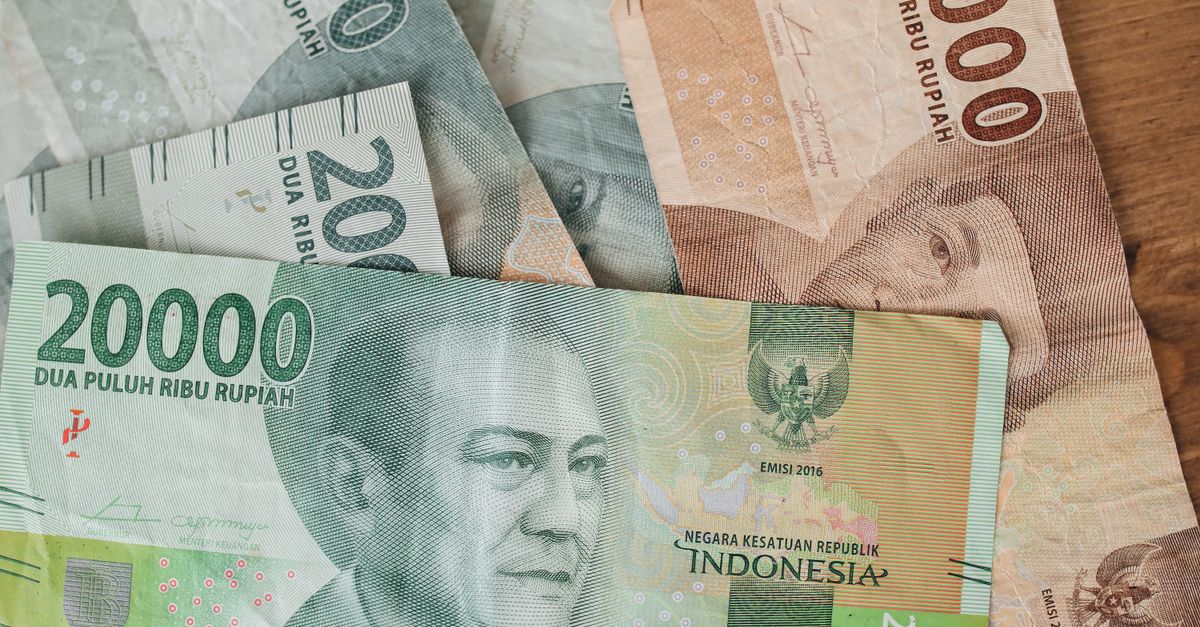
Two things to sort before you breeze out to the taxi rank. First, the Bali tourist levy: every arriving visitor pays IDR 150,000 (about £8), a one-off charge per entry. I always pay mine online through the official Love Bali site — make sure it’s the genuine .go.id address, as lookalike sites overcharge — before I fly, so I land with the QR code already on my phone. Inspectors now check for proof of payment, so it’s not optional — and queuing to pay at the airport after a 20-hour journey is nobody’s idea of fun.
Second, immigration. The autogates and e-VOA system have made arrival genuinely fast — with a biometric passport it can be a matter of seconds. From DPS, a metered or pre-booked car to Seminyak takes 30 to 45 minutes in normal traffic, longer to Ubud or Canggu. Grab the local SIM or eSIM you sorted beforehand, ignore the slightly pushy porters, and step out into that warm, frangipani-scented air. You made it.
What I actually pack for this route
A few things earn their place in my bag every single time I do this journey:
- A packable daypack that folds flat in your case outbound and carries beach gear or market shopping on the way back
- Packing cubes — non-negotiable for a trip with a layover, since you don’t want to be repacking a spilled case in an airport
- The Anker Nano Universal Travel Adapter — works in Indonesia’s Type C/F sockets and covers 200+ countries besides
- A portable charger for the second leg, when your phone’s been streaming through the first
Before you book
Here’s my one-sentence takeaway: there’s no direct flight, so treat the layover and the timing as the real levers — get those right and the long haul to Bali becomes the easy part.
After all these years I’ve still got a running shortlist of which routes and connection times work best from each UK airport, and it changes every season as airlines tweak their schedules. So I’d love to know — which airport are you flying from, and have you found a route or a layover trick that I’ve missed? Reply and tell me. My list is never finished, and the next person planning this trip will thank you for it. Safe travels, and I’ll see you on the island.
Before you go — I wrote this in 2026 and double-checked every price, fee, opening time and rule I could, but Bali changes fast. Treat the figures here as a guide and confirm the latest details before you book or travel.
FAQs
Are there any direct flights to Bali from the UK? No — there are no non-stop flights between the UK and Bali. Every route stops at least once at a hub such as Doha, Dubai, Singapore or Kuala Lumpur. You’ll take a long-haul leg to the hub, change planes, then fly a second leg down to Denpasar — a short two-to-three-hour hop from Singapore or Kuala Lumpur, or around nine hours from the Gulf hubs.
How long does it take to fly from the UK to Bali? Expect a total journey of roughly 17 to 24 hours including the layover. The fastest sensible itineraries run around 16 to 17 hours, usually via Singapore. Pure flying time across the two legs is about 15 to 16 hours; the rest is your time on the ground at the hub.
Which airline is best for flights to Bali from the UK? Emirates, Singapore Airlines and Qatar Airways are the three most popular and most reliable. Emirates (via Dubai) is the favourite among UK travellers, Qatar Airways (via Doha) offers excellent value and service, and Singapore Airlines (via Changi) is the pick if you want the journey itself to feel like a treat.
What is the cheapest month to fly to Bali? September and November are consistently the cheapest, with September often the lowest of all and April another good shoulder-season option. Return economy fares can start around £490 to £520 on the best dates. July is the most expensive month, averaging over £700, with Christmas and New Year close behind.
How much does a return flight to Bali cost from the UK? Typically £490 to £700 return in economy outside peak season, rising to £850 to £1,200 in July and over the festive period. Setting a price alert and booking around 90 days ahead usually lands you in the lower part of that range.
What airport do you fly into for Bali? You fly into Ngurah Rai International Airport (airport code DPS) in Denpasar, in the south of the island near Kuta. It’s the only international airport on Bali, so all routes from the UK end there regardless of which hub you connect through.
Do UK citizens need a visa for Bali? Yes — UK passport holders need a Visa on Arrival or pre-purchased e-VOA, costing IDR 500,000 (about £25 to £28). It allows a 30-day stay and can be extended once for another 30 days, though extensions are now done in person at an immigration office. Your passport must be valid for at least six months with two blank pages.
What is the Bali tourist tax and do I have to pay it? It’s a one-off levy of IDR 150,000 (about £8) per visitor, per entry, and yes, it’s mandatory. You can pay online through the official Love Bali website (the genuine .go.id address) before you travel or at the airport on arrival. Inspectors now check for the QR-code proof of payment, so don’t skip it.
When should I book flights to Bali to get the best price? Around 90 days before departure is the sweet spot on average. Flying midweek (Tuesday to Thursday) is usually cheaper than weekends, and setting a price alert for a few weeks before you commit helps you spot a genuine dip rather than booking blind.
Is it better to fly via Dubai, Doha or Singapore to Bali? All three work well; the right choice comes down to layover length and the onward connection. Singapore offers the fastest overall time and a fantastic airport for a layover, Doha and Dubai have the most frequent departures, and Kuala Lumpur is often the cheapest. Always check the connection time before booking.