What Is Arak? Bali's Traditional Spirit and How to Drink It Safely
A warm, honest guide to arak, Bali's traditional spirit: what it is, its ceremonial heritage, and the methanol-safety rules every traveller should know.
The first time I tasted arak, I was sitting on a low plastic stool in a family compound near Sidemen, the air still smoky from an afternoon of offerings. Someone’s grandfather poured a splash of clear liquid from an unlabelled bottle into a tiny glass, grinned, and gestured for me to try it. It was warm, faintly sweet, and considerably stronger than I had braced for. That single sip taught me two things at once: that arak is woven deep into Balinese life, and that I had no idea what I was actually drinking.
So let’s answer the obvious question. What is arak? Arak is Bali’s traditional distilled spirit, made from fermented rice or palm sap and typically bottled somewhere between 30 and 50 percent alcohol. It is the island’s homegrown answer to whisky or rum — clear, potent, and centuries old. It also carries a reputation that makes some travellers nervous, largely because of methanol-poisoning stories tied to bootleg imitations rather than the real thing. Both parts of that picture are true and worth understanding, so this guide covers arak honestly: what it genuinely is, why Balinese people hold it dear, and exactly how to enjoy it without putting yourself at risk.
What Is Arak? Bali’s Traditional Distilled Spirit Explained
What is arak? Arak is a traditional Balinese distilled spirit, produced by fermenting either rice or the sweet sap of coconut and palm trees and then distilling that liquid into a strong, clear alcohol. Most bottles land between 30 and 45 percent ABV, though some run higher, which puts arak firmly in spirit territory rather than the gentler world of wine or beer.
The process is genuinely artisanal. Tappers climb palms at dawn and dusk to collect the sap, known as tuak in its fresh form. That sap ferments naturally for a few days, then goes into a still where the fermented liquid is heated and the rising vapours are captured and condensed into arak. Traditional stills can be beautifully rustic affairs, and the character of the final spirit shifts from village to village depending on the source material and the maker’s hand.
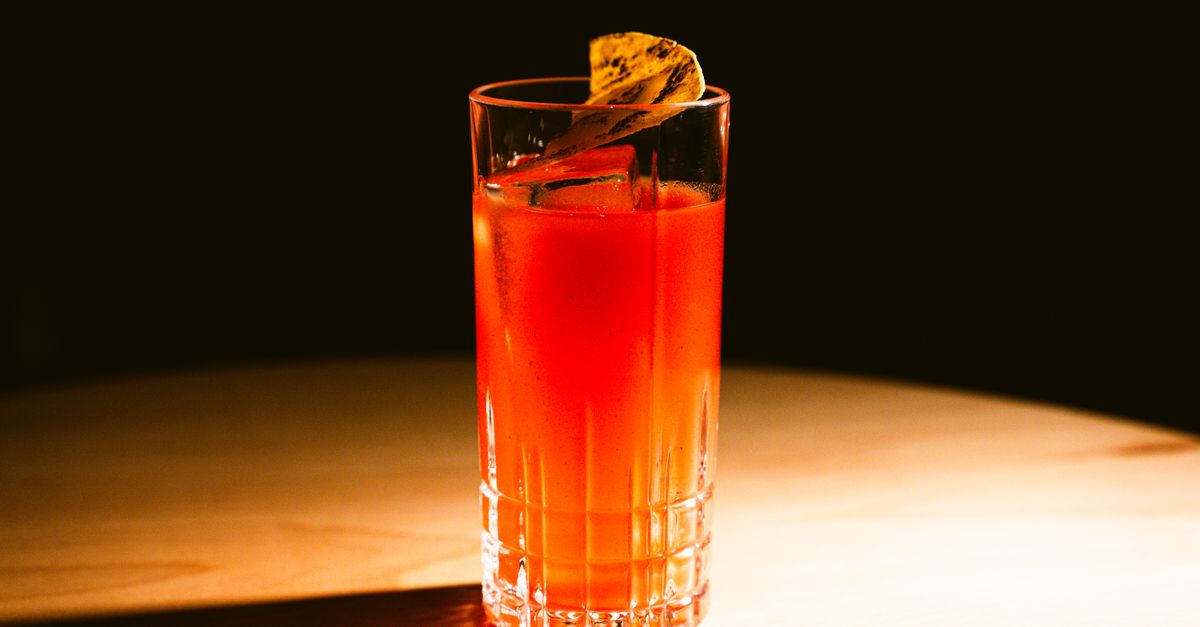
You’ll meet arak in a few guises. Neat, it’s brisk and a little raw. More often it’s softened into arak madu, mixed with honey and fresh lime, which is genuinely lovely and the version I’d point most first-timers towards. It also turns up in cocktails across the island’s bars, where a good bartender treats it with the same respect they’d give a mezcal.
Arak, Tuak and Brem: How Bali’s Local Drinks Differ
If you spend any time in Bali you’ll hear three names thrown around, and they are not the same drink. Getting them straight helps you order with confidence and appreciate what’s in your glass.
Tuak is the starting point: freshly tapped, mildly fermented palm sap, usually only around 5 to 10 percent alcohol. It’s cloudy, tangy and often drunk the same day it’s collected, closer to a farmhouse cider in spirit than to a hard liquor. Distil tuak, and you get arak.
Brem is the third member of the family, and it’s the one people most often confuse with arak. Brem is a sweet Balinese rice wine, roughly 5 to 14 percent ABV, gently sweet and a little sour, and it appears frequently at ceremonies. It’s fermented but never distilled, which is why it stays soft where arak is fierce. A common ceremonial pairing is a little brem for sweetness and a little arak for strength.
So the simple rule: tuak and brem are fermented and low in alcohol; arak is the distilled, high-strength cousin. If you enjoy learning through your stomach as much as I do, a hands-on session like a cooking class in Ubud is a lovely way to taste these drinks in their proper context alongside the food they’re made for. For more of that edible side of the island, my guide to what to eat in Bali is a good companion read.
Arak’s Cultural and Ceremonial Role in Bali
To understand arak, you have to see it as more than a drink. In Balinese Hindu life it has a sacred function. During temple ceremonies and household rituals, a few drops of arak are poured onto the ground as part of a libation offering, sometimes called tetabuhan — a gesture of gratitude and balance offered to the unseen spirits alongside flowers, rice and incense. The bottle passed around a family compound after a ceremony is a continuation of that same spirit of hospitality.
For years, though, arak occupied a legal grey zone, made quietly in villages and sold without much oversight. That changed meaningfully in 2020. Under Bali Governor Regulation No. 1 of 2020, signed by Governor I Wayan Koster, traditional Balinese fermented and distilled drinks — arak among them — were formally recognised as part of the island’s cultural heritage. The regulation did two important things at once: it protected arak as a craft worth preserving, and it created a proper licensing pathway so artisan producers could distil and sell legally under safety and quality standards.
The result has been a quiet renaissance. Licensed, branded arak now appears on smart cocktail lists in Seminyak and Ubud, bottled with excise labels and made to a consistent standard. This is arak as it should be experienced: a legitimate, proud piece of Balinese heritage. Celebrating that legal, regulated product is entirely different from the safety issue we turn to next, and it’s important not to let one tarnish the other.
The Methanol Risk: What Actually Makes Some “Arak” Dangerous
Here is the part I’d want a friend to read before their first big night out. The danger you may have heard about does not come from proper, branded arak. It comes from illicit, adulterated or home-mixed bootleg alcohol — known locally as oplosan — which is sometimes cut with methanol, a toxic industrial alcohol that should never be swallowed.
Methanol is cheap, and unscrupulous sellers occasionally use it to bulk out or fake spirits, including drinks passed off as arak. It’s most associated with very cheap, unlabelled bottles, free-poured “arak attack” buckets at budget bars, and mixed cocktails where you can’t see what went in. The tragedy is that methanol is tasteless enough that you often can’t tell — which is exactly why it has caused documented poisonings and deaths among travellers in Bali, Lombok and the Gili Islands over the years.
The figures deserve honesty rather than scaremongering. One widely cited estimate attributes hundreds of Indonesian deaths to oplosan over a multi-year span, and untreated methanol poisoning is often reported to be fatal in a substantial share of cases — but sources vary and hard, current per-year numbers are difficult to pin down, so treat any single statistic with caution. What isn’t in doubt is that the risk is real, avoidable, and taken seriously enough that the UK Foreign Office had by late 2025 added methanol warnings to travel advice for around 29 countries, Indonesia included.
How to Drink Arak Safely: Symptoms and Practical Rules
The good news is that staying safe is straightforward, and it lets you enjoy real arak with a clear conscience. A few habits do almost all the work.
Buy sealed, branded, labelled bottles from licensed shops, bars and hotels, and check the seal is intact and the label properly printed. Order arak at reputable, established venues rather than the cheapest warung stall. Be wary of anything suspiciously cheap, and steer clear of free-pour “arak attack” buckets and unlabelled mystery cocktails where you can’t see the bottle. When in doubt, sealed beer or wine is always a safe fallback. A slower night looking after yourself also does wonders for avoiding the other classic holiday ailment — see my notes on how to avoid Bali belly.
Know the warning signs, because early treatment saves lives and eyesight. Methanol poisoning is sneaky: the first stage can feel just like ordinary drunkenness, then, often 12 to 48 hours later, come headache, nausea and vomiting, dizziness, confusion, breathing difficulty and — the big red flag — blurred vision or trouble looking at bright light. If you or anyone you’re with develops vision problems after drinking, do not wait to sleep it off. Methanol poisoning is treatable when caught early, so get to a hospital immediately and say you suspect methanol. It’s the single most important sentence in this guide.
Final Thoughts on Enjoying Bali’s Signature Spirit
Arak is worth knowing and worth raising a glass to. It’s a genuine piece of Balinese heritage — tapped from palms at dawn, distilled by hand, poured in gratitude at ceremonies, and now protected and celebrated under Bali’s own law. Drunk as arak madu on a warm evening, or in the hands of a good bartender, it tells you more about the island than almost anything else you can order.
None of that requires you to be reckless. The methanol stories are real, but they trace back to bootleg oplosan, not to the labelled, licensed bottle a reputable bar will happily pour you. Keep to sealed and branded, avoid the suspiciously cheap and the mystery buckets, learn the symptoms, and act fast if anything feels wrong. Do that, and you can treat arak the way Balinese people do — with respect, warmth and genuine pleasure. That first sip in Sidemen stayed with me for good reasons, and I’d love for yours to as well.
FAQs
What is arak? Arak is a traditional Balinese distilled spirit made from fermented rice or palm sap, usually bottled at around 30–50% alcohol. It’s the island’s homegrown strong spirit, used both socially and in Hindu ceremonies.
Is arak safe to drink in Bali? Yes, when it’s legal, branded and bought sealed from licensed venues. The danger comes only from illicit bootleg “oplosan” that can be contaminated with methanol, not from the regulated product.
What is the difference between arak and tuak? Tuak is freshly fermented palm sap of around 5–10% ABV and is not distilled. Arak is what you get when you distil tuak into a much stronger clear spirit.
What is the difference between arak and brem? Brem is a sweet Balinese rice wine of roughly 5–14% ABV that is fermented but not distilled, while arak is the distilled, higher-strength spirit. They’re often served together at ceremonies.
How strong is arak? Most arak sits between about 30% and 45% alcohol, similar in strength to whisky, rum or vodka, so it should be sipped or mixed rather than knocked back.
Is arak legal in Bali? Yes. Bali Governor Regulation No. 1 of 2020 recognised traditional arak as cultural heritage and created a licensing system so artisan producers can make and sell it legally.
What is methanol poisoning? Methanol poisoning happens when someone drinks toxic industrial alcohol, sometimes used to adulterate cheap bootleg spirits. It can cause blindness or death and needs urgent hospital treatment.
What are the symptoms of methanol poisoning? Early on it can feel like ordinary drunkenness, then hours later bring headache, nausea, dizziness, confusion, breathing trouble and — crucially — blurred vision or sensitivity to bright light. Seek medical help immediately if these appear.
What is an “arak attack”? It’s a slang term for cheap, free-poured arak-based drinks or buckets sold at budget bars. Because you can’t see the bottle or verify the source, these carry a higher risk and are best avoided.
How can I avoid dangerous alcohol in Bali? Buy sealed, branded bottles from licensed shops and reputable bars, check seals and labels, avoid suspiciously cheap or unlabelled drinks and free-pour buckets, and choose sealed beer or wine when unsure.
Before you go — I wrote this in 2026 and double-checked every price, fee, opening time and rule I could, but Bali changes fast. Treat the figures here as a guide and confirm the latest details before you book or travel.
Some of the links in this article are affiliate links: if you book through them I may earn a small commission at no extra cost to you. I only ever recommend things I would happily send a friend to.