A Healthy Lifestyle in Bali: Wellness, Fitness and Eating Well
An honest guide to a healthy lifestyle in Bali: yoga, fitness, eating well, wellness costs and mental health — from someone who lives on the island.
Bali has earned its reputation as one of the world’s premier wellness destinations — and for good reason. Whether you are a digital nomad settling in for a few months, a long-term expat, or a holidaymaker looking to return home feeling better than when you arrived, the island offers an extraordinary range of options for those who want to eat well, move their bodies, and prioritise their mental health. From the rice-terrace yoga studios of Ubud to the surf-and-smoothie culture of Canggu, Bali has built an ecosystem around living well that is genuinely difficult to replicate elsewhere. That now includes cold therapy, too — my Bali ice bath and cold-plunge guide covers where to try it and why people swear by it.
This is not a place where healthy living feels like deprivation. It is an island where a bowl of nourishing food costs less than a cup of coffee back home, where sunrise yoga classes overlook jungle canopies, and where the local Balinese philosophy of Tri Hita Karana — harmony between people, nature, and the spiritual realm — quietly underpins everything. For those willing to lean into it, Bali can be genuinely transformative.
Yoga and Meditation: The Heart of Bali’s Wellness Scene
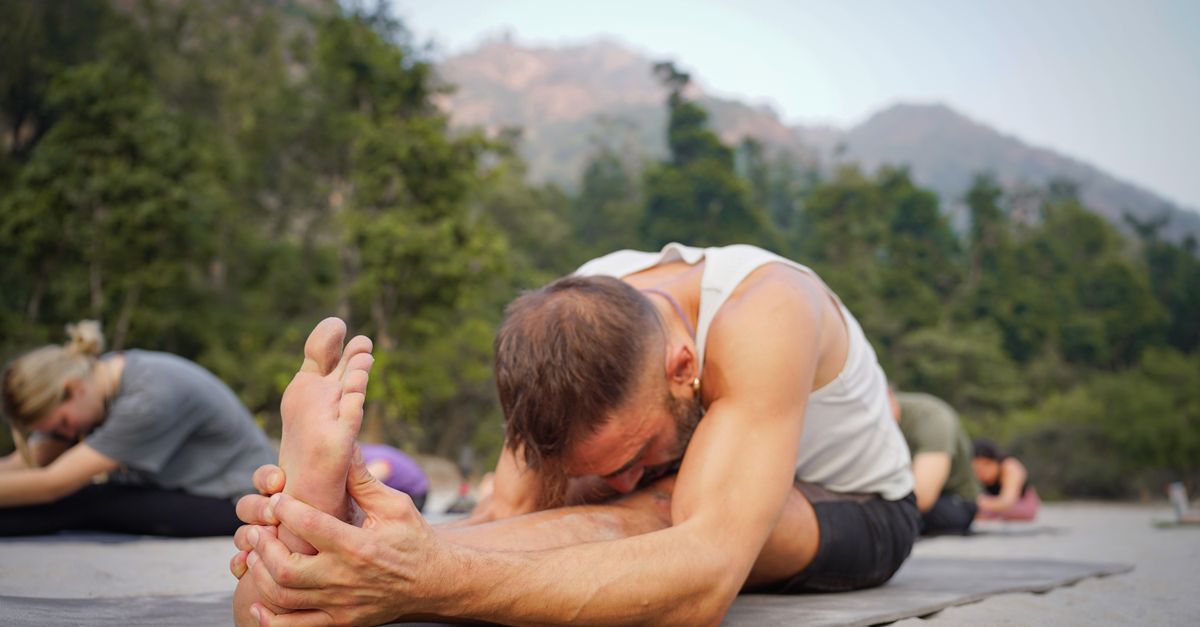
No conversation about healthy living in Bali begins anywhere other than yoga. The island hosts hundreds of studios, retreat centres, and informal shala spaces catering to every level and style — from vigorous Ashtanga at dawn to restorative Yin sessions in the late afternoon heat. Ubud remains the spiritual capital of this scene, with institutions like The Yoga Barn on Jl. Hanoman drawing international teachers and offering around 20 classes per day across multiple styles. Drop-in classes typically run between IDR 130,000 and IDR 200,000 (roughly £6–£9), whilst monthly memberships at established studios often start from IDR 1,500,000–2,500,000 (approximately £68–£113).
In Canggu, studios such as Samadi and Desa Seni offer equally high-quality instruction with a slightly more relaxed, beach-adjacent atmosphere. Seminyak and Sanur have their own quieter studio networks suited to those who prefer to avoid the busier tourist corridors.
Meditation is woven into this culture just as naturally. Many studios offer standalone meditation classes or include it as part of a broader yoga session. For those wanting a more immersive experience, silent meditation retreats — some rooted in Vipassana tradition, others in Balinese Hindu practices — are available throughout the island’s interior. Treatments at Balinese balian (traditional healers) can also offer a culturally rooted form of energetic and spiritual wellness that complements a more conventional practice. If you want to explore guided wellness experiences and retreat bookings, viator-bali lists a wide range of curated options across Ubud and beyond.
Fitness Beyond Yoga: Gyms, Surfing and Outdoor Training
Bali’s wellness offering extends well beyond the yoga mat. The island has seen significant investment in modern fitness infrastructure over the past five years, particularly in the Canggu–Seminyak–Uluwatu corridor. Gyms in Canggu offer well-equipped weight rooms, functional training spaces, and group fitness classes; drop-in day passes typically run from around IDR 100,000–200,000 (£4.50–£9) depending on the facility, with monthly passes available from IDR 600,000 upwards (from around £27).
For those who prefer their exercise with a view, outdoor training is a genuine lifestyle staple here. The 5km stretch of Canggu’s beach road is a popular morning run route, and the rice-field walking tracks around Ubud — particularly the Campuhan Ridge Walk — offer a more meditative alternative. Many expats and nomads join organised group runs or boot camps, which have proliferated in recent years and can be found through local Facebook groups and community noticeboards.
Surfing, of course, is both Bali’s most famous draw and one of its most complete physical workouts. Kuta Beach remains the classic beginner spot, whilst Uluwatu, Padang Padang, and Keramas offer world-class waves for experienced surfers. A full surfboard rental at Kuta costs around IDR 75,000–100,000 (£3.50–£4.50) per day, and group surf lessons start from IDR 300,000–450,000 (£14–£20). Swimming in the calmer bays of Sanur or Amed provides a lower-impact alternative, particularly for those managing injuries or simply wanting gentler daily movement.
Hiking is another option worth considering. Gunung Batur and Gunung Agung both offer pre-dawn summit treks that reward considerable physical effort with genuinely extraordinary views. Guide fees for Batur run to approximately IDR 450,000–600,000 (£20–£27) per person including transport and a meal at the summit. You can browse guided hiking experiences via getyourguide-bali.
Eating Well in Bali: Whole Foods, Warung Culture and Clean Eating
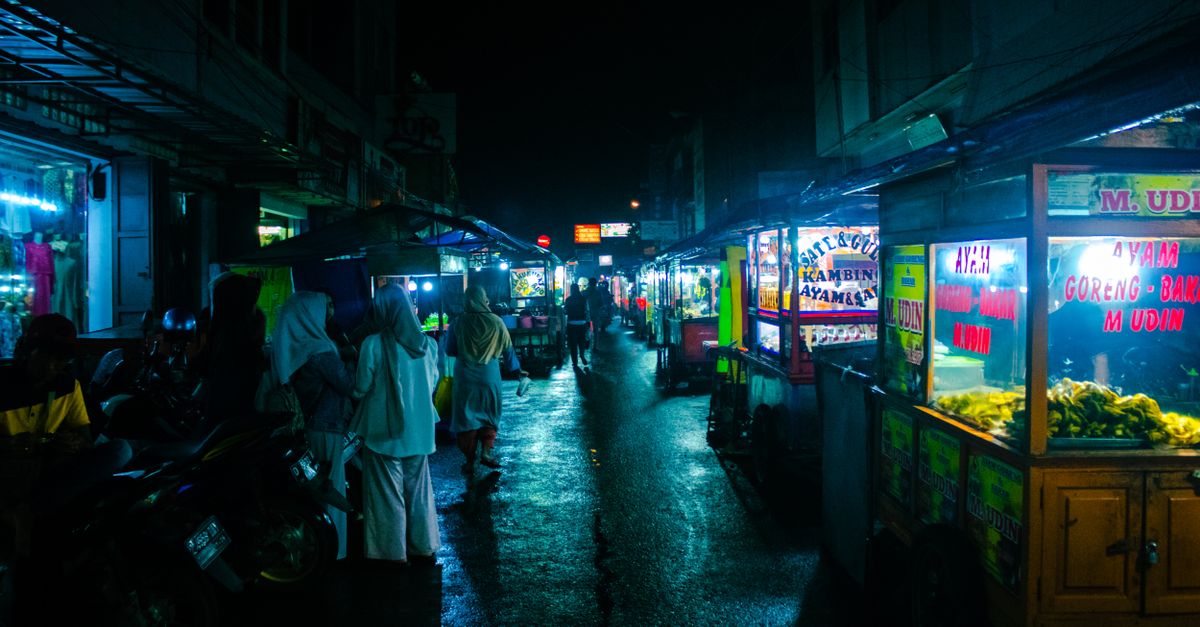
Bali is perhaps one of the easiest places on earth to eat a genuinely nutritious diet without spending a great deal of money. The island’s food scene spans everything from humble local warung (small family-run eateries) serving fresh Balinese dishes to sophisticated plant-based restaurants that would not look out of place in London or Melbourne.
At the local end, nasi campur — a plate of rice surrounded by small portions of vegetables, tempeh, tofu, and occasionally meat — is a daily staple that is naturally balanced, low in processed ingredients, and costs as little as IDR 20,000–35,000 (£0.90–£1.60) at a warung. Gado-gado, the peanut sauce salad with steamed vegetables and tofu, and cap cay, a Chinese-influenced stir-fried vegetable dish, are similarly nutritious and widely available.
The health-food restaurant scene is particularly well developed in Ubud and Canggu. Establishments like Sage in Ubud, which focuses entirely on plant-based cuisine, and The Shady Shack in Canggu, known for its wholesome bowls and smoothies, have earned loyal followings. Expect to pay IDR 80,000–150,000 (£3.60–£6.80) for a main meal at these spots. Raw food, cold-pressed juices, and adaptogen-laden drinks are common menu features.
Bali’s markets are another asset for health-conscious residents. Ubud’s Pasar Ubud stocks fresh tropical fruit, local vegetables, and spices at prices far below supermarket equivalents. Organic and biodynamic produce — increasingly grown in the Kintamani highlands — is stocked at specialist stores like Down to Earth (Ubud) and at various branches of Bali Buda across Canggu and Seminyak. Shopping at markets and local stores not only supports the local economy but puts genuinely fresh, seasonal food on the table at a fraction of European costs.
For those self-catering, food delivery via GoFood and GrabFood makes it straightforward to order from quality restaurants at reasonable prices. If you are staying in a villa or long-term rental, a well-stocked kitchen makes maintaining your usual dietary habits far easier — villas with kitchens can be found via airbnb-bali or booking-bali.
Holistic Health: Spas, Traditional Treatments and Mental Wellbeing
Bali’s approach to health has always been holistic in the true sense — the body, mind, and spirit are understood as inseparable, and this philosophy manifests in the island’s extraordinary breadth of therapeutic treatments. Traditional Balinese massage, which blends acupressure, reflexology, and gentle stretching, is available almost everywhere and typically costs IDR 80,000–200,000 (£3.60–£9) per hour depending on the establishment. High-end spas at resorts in Nusa Dua or Seminyak charge considerably more, but even the mid-range spa experience in Bali typically exceeds what most visitors are used to at home.
Jamu — traditional Indonesian herbal medicine — is another pillar of everyday Balinese health culture. These herbal tonics, typically made from turmeric, ginger, galangal, tamarind, and other local roots, are drunk daily by many Balinese for their anti-inflammatory and digestive properties. Fresh jamu is sold by roadside vendors, markets, and increasingly through health cafés in the tourist areas. A small bottle costs IDR 5,000–15,000 (£0.23–£0.68).
Mental wellbeing is an area where Bali both challenges and supports. The slow pace, natural beauty, and community culture can be profoundly restorative. At the same time, the transient expat and nomad community means that loneliness or a lack of stable social connection is a real concern for some. Bali has a growing number of English-speaking therapists and counsellors, including several working online, and wellness retreat programmes that incorporate emotional processing alongside physical health practices. For those planning longer stays, building routine and community — through a regular yoga studio, a running club, or a co-working space — makes a significant difference to sustained mental health.
Travel insurance that covers medical treatment is essential. Healthcare in Bali ranges from excellent private hospitals in Denpasar and Kuta (BIMC Hospital Kuta is the most commonly recommended for international patients) to limited facilities in rural areas. SafetyWing offers nomad-friendly health insurance plans that are widely used by the expat community and are worth considering for any stay longer than a few weeks.
Practical Tips for Sustaining a Healthy Routine in Bali
Building a genuinely healthy lifestyle in Bali is eminently achievable, but it does require some intentional planning — particularly for longer stays. A few practical points are worth keeping in mind.
Water and hydration: tap water in Bali is not safe to drink. Most residents and long-stay visitors use filtered water dispensers (refill stations are common throughout residential areas and cost around IDR 5,000 per litre) or gallon water delivery services. Staying well hydrated in Bali’s heat and humidity is important, especially if you are exercising regularly. Electrolyte sachets or coconut water — abundantly available and typically IDR 10,000–20,000 per young coconut — are helpful supplements.
Sun protection: Bali sits close to the equator, and the UV index is consistently high year-round. A daily SPF of at least 30–50, reapplied regularly during outdoor activities, is non-negotiable for skin health. Long-term sun exposure without protection accelerates ageing and increases melanoma risk significantly.
Gut health: traveller’s stomach is common in the first few weeks, and even experienced Bali residents occasionally encounter issues. Being thoughtful about where you eat — opting for busy, high-turnover warung rather than quiet ones, choosing freshly cooked food over pre-prepared displays — reduces risk substantially. Many expats take a daily probiotic as a matter of course. If you are managing any serious gastrointestinal symptoms, BIMC Hospital Kuta or Siloam Hospitals Denpasar offer reliable diagnostic services.
Managing screen time and work-life balance: for digital nomads especially, Bali’s cafés and co-working spaces (Dojo Bali in Canggu and Outpost in Ubud are well-regarded) make it easy to stay productive, but the island’s lifestyle also makes it easy to forget to switch off. Building deliberate offline time — morning walks, weekend surf sessions, evening yoga — into your weekly rhythm helps preserve the very quality of life that made Bali attractive in the first place.
Financial management: managing healthcare costs, gym memberships, and organic food budgets from abroad is simpler with a service like wise, which offers low-fee international transfers and a multi-currency account that many Bali-based expats use as their primary day-to-day banking tool.
FAQs
Is Bali a good destination for people focused on health and fitness? Absolutely. Bali has one of the most developed wellness ecosystems in Southeast Asia, with hundreds of yoga studios, modern gyms, plant-based restaurants, spa facilities, and outdoor activities available across multiple areas of the island. Whether you are staying for two weeks or two years, it is straightforward to maintain or even improve your health routines here.
How much does a yoga class cost in Bali? Drop-in yoga classes typically cost between IDR 130,000 and IDR 200,000 (roughly £6–£9) at established studios in Ubud and Canggu. Monthly memberships start from around IDR 1,500,000 (approximately £68). Some studios offer free community classes or donation-based sessions as well.
Which area of Bali is best for a wellness-focused stay? Ubud is widely regarded as the spiritual and wellness heart of Bali, with the highest concentration of yoga studios, retreat centres, organic restaurants, and holistic therapists. Canggu appeals to those who want to combine wellness with surf culture and a younger digital nomad community. Sanur is quieter and suits those wanting a more relaxed pace.
Is it safe to eat street food and warung food in Bali? Yes, with some care. Choose busy warung with high turnover, opt for freshly cooked dishes, and avoid pre-displayed foods that have been sitting out. Many long-term Bali residents eat warung food daily without issues. Building up gradually when you first arrive gives your gut time to adjust.
What is _jamu_** and is it worth trying?** Jamu is traditional Indonesian herbal medicine, typically drunk as a tonic made from turmeric, ginger, galangal, tamarind, and other roots. It has genuine anti-inflammatory and digestive properties and is a daily health ritual for many Balinese people. It is widely available at markets, roadside vendors, and health cafés for as little as IDR 5,000–15,000 per serving and is well worth incorporating into your daily routine.
Do I need travel insurance for a health-focused stay in Bali? Yes, strongly recommended. Whilst basic medical care is inexpensive, serious injuries or illness requiring hospital treatment or medical evacuation can be very costly without cover. SafetyWing is a popular and affordable choice among digital nomads and long-stay visitors in Bali.
Are there good gyms in Bali, and how much do they cost? Yes. Well-equipped gyms are concentrated in Canggu, Seminyak, and Denpasar. Drop-in day passes typically run from around IDR 100,000–200,000 (£4.50–£9) per session depending on the facility, with monthly memberships available from around IDR 600,000 upwards (from around £27). Many gyms also offer CrossFit, functional training, and group fitness classes.
Can I drink tap water in Bali? No. Tap water in Bali is not safe to drink. Use refill station water (widely available at around IDR 5,000 per litre) or bottled water. Most cafés and restaurants use filtered water, but it is worth confirming if you are concerned. Staying well hydrated is particularly important given Bali’s heat and humidity.
Is Bali suitable for long-term healthy living, not just a short detox retreat? Very much so. Many expats and digital nomads have built genuinely sustainable healthy lifestyles in Bali over months or years. The combination of affordable nutritious food, accessible fitness options, community-oriented wellness culture, and natural environment makes it one of the easier places in the world to maintain good health habits long-term.
What is the best way to find wellness retreats and guided health experiences in Bali?
viator-bali and getyourguide-bali both list a wide range of curated wellness experiences including yoga retreats, traditional healing sessions, cooking classes focused on healthy Balinese cuisine, and guided meditations. Booking in advance is advisable for the more popular programmes, particularly during peak season (July–August and December–January).
Before you go — I wrote this in 2026 and double-checked every price, fee, opening time and rule I could, but Bali changes fast. Treat the figures here as a guide and confirm the latest details before you book or travel.
Some of the links in this article are affiliate links: if you book through them I may earn a small commission at no extra cost to you. I only ever recommend things I would happily send a friend to.